


The Davao City Council is scheduled to vote on third and final reading on an ordinance that adopts the bidding documents for the city’s planned waste-to-energy (WTE) facility. Approval would allow bidding to begin for the 11-megawatt project.
The facility is valued at ₱7 billion. Davao City Councilor Temujin Tek Ocampo said the Japanese government has pledged half of the cost and will help the city find a private partner to cover the other half.
“Walay gastohon ang city; it will be a build-transfer-operate (BTO) scheme,” Ocampo said.
Under a BTO arrangement, the contractor funds and builds the plant, then hands it over to the city to operate. Ocampo said this differs from a build-operate-transfer (BOT) scheme. He said the BTO approach means the city does not need to source funds to finish the project.
The ordinance will allow competitive bidding to proceed under Japanese grant guidelines. Crown Agent, a Japan-based procurement agent, will open the procurement process to Japanese companies and select the qualified firms that may join the bidding. The project is expected to be completed by 2029.
Davao City secured an agreement with the Government of Japan in 2018 for a ¥5.013 billion grant (about ₱2.5 billion) to build the plant. The facility was first estimated to cost about ₱5 billion. The figure has since risen to ₱7 billion.
The city government will create a special purpose company to operate the plant and sell the electricity it generates. The next step is the appropriation of a ₱88-million performance bond, which is meant as assurance that the city can run the project.
In the recent waste-to-energy auction held by the Department of Energy, Davao City was the only local government unit among the nine winners. The city offered 11 megawatts from the plant in the auction.
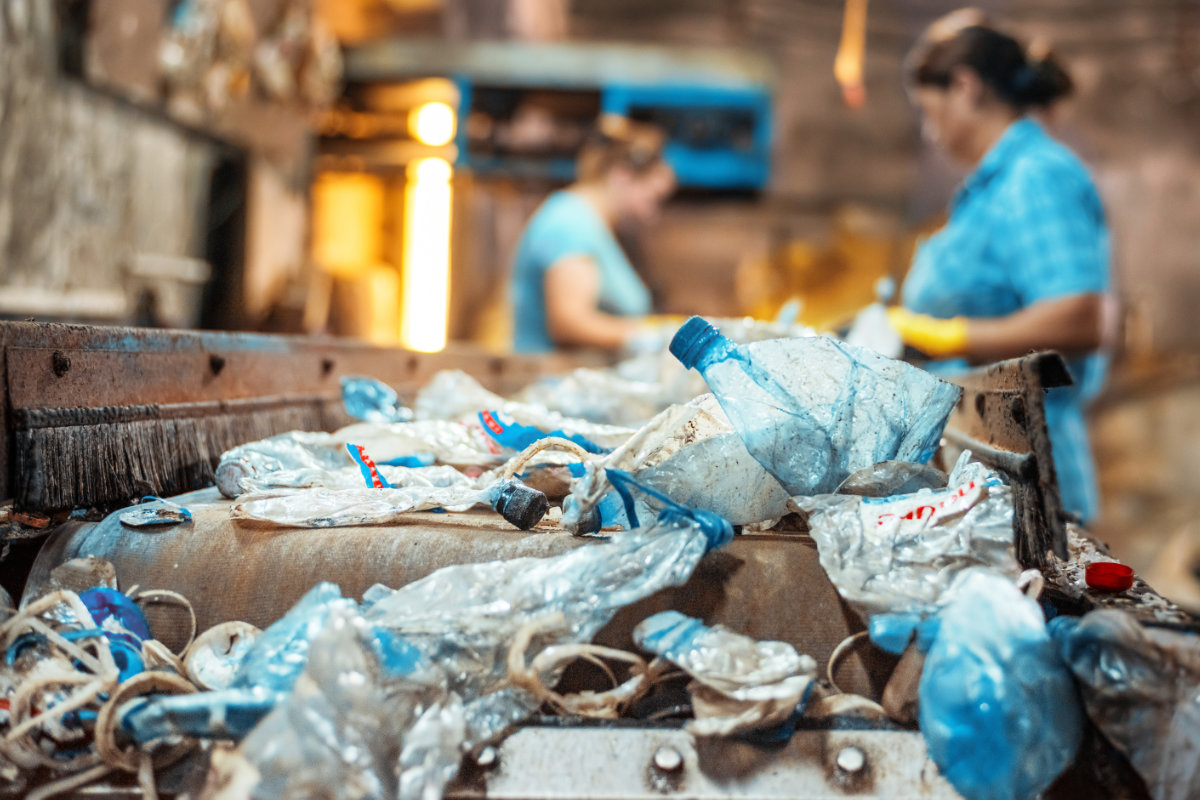
The plant will be built on a nine-hectare property in Biao Escuela and can process 600 tons of trash daily. Davao City produces an estimated 700 to 800 tons of garbage. In June, the city opened a new sanitary landfill because its 19-year-old landfill had been filled beyond capacity.
Based on the PIA report, the steps ahead are the final council vote, the start of bidding among qualified Japanese firms, and the appropriation of the ₱88-million performance bond. Completion is targeted for 2029.