


The Department of Science and Technology (DOST) is waiting for further study results before determining whether uranium-bearing minerals in Camarines Norte can serve as a usable resource, Secretary Renato Solidum said.
Solidum spoke to reporters on Thursday, Oct. 1, at Marzon Cafe in Kalibo, Aklan, where he was attending the Regional Science and Technology Week in Western Visayas. The province is hosting the event from October 1 to 3, according to a report by Newsbytes.PH.
“Finding Uranium in the Philippines is not new. What we are hopeful this time is the study aims to determine if the uraninite found in Camarines has enough source for it to be useful,” Solidum said.
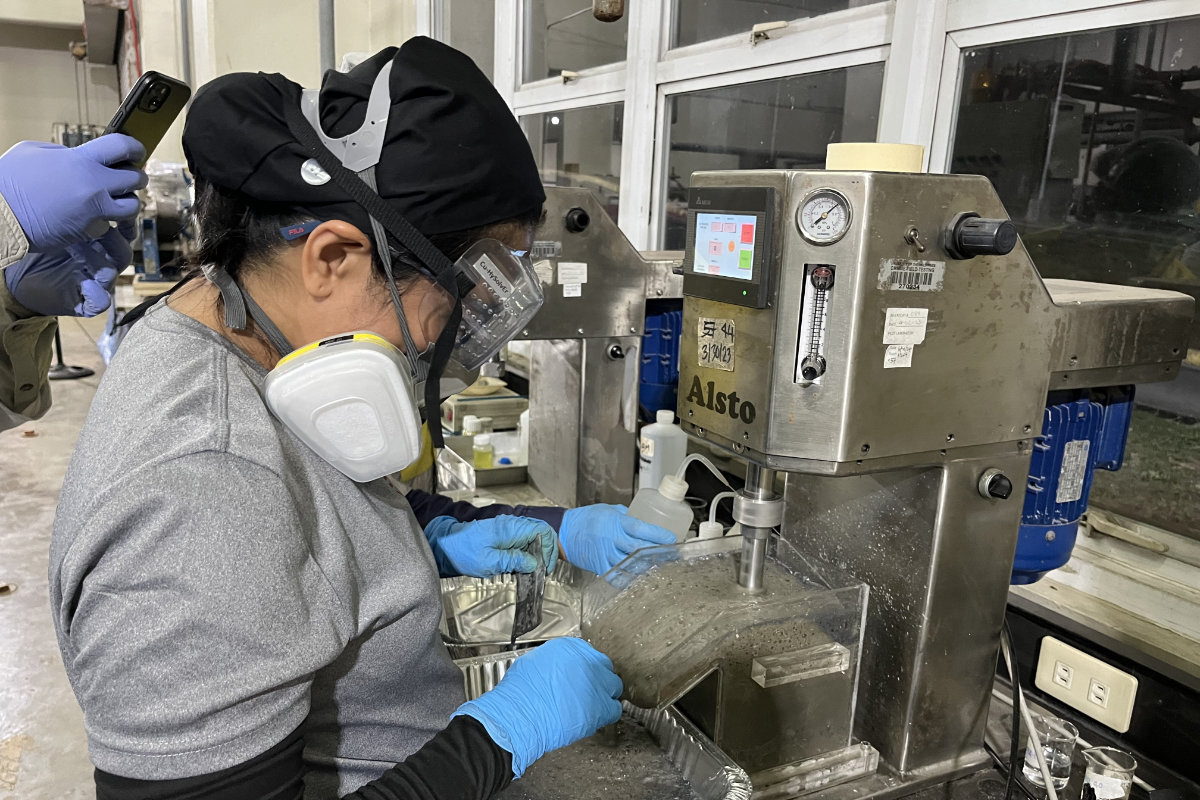
His remarks followed a laboratory study by researchers from the Philippine Nuclear Research Institute (PNRI), the University of the Philippines Diliman, and Akita University in Japan. The researchers tested a process for increasing the uranium concentration of material from Bessemer in Larap, Jose Panganiban, Camarines Norte. PNRI said the study confirmed that uraninite is the main uranium-bearing mineral in the surface deposits examined.
The process raised the uranium concentration of the material from 244 parts per million (ppm) to 305 ppm. About 73% of the uranium was recovered in the final product.
The researchers used flotation followed by magnetic separation. Flotation recovered sulfide minerals containing copper and molybdenum. Magnetic separation then removed magnetite, an iron-rich magnetic mineral, which left the uranium more concentrated in the remaining non-magnetic material.
The original sample contained 0.57% copper, 0.49% molybdenum, and 13.5% iron. According to the published study, the flotation stage recovered 76% of the copper and 79% of the molybdenum into a concentrate that could be processed further into marketable products.
PNRI described the method as a preliminary concentration step that reduces the volume of material needing later treatment. The researchers said this could lower chemical use and potentially improve recovery in subsequent stages.
The material would still need leaching and purification to produce uranium concentrate, known as “yellowcake,” an intermediate product in the nuclear fuel cycle. The laboratory product is therefore several processing steps away from possible use as nuclear fuel.
PNRI also noted a limit to the findings. The study confirmed uranium mineralization at the surface and showed that the material could be upgraded, but it did not establish how much uranium lies underground. Laboratory results alone do not determine the size of a potentially usable resource.
DOST has not yet made a determination on the deposit, pending the results of further assessment.