



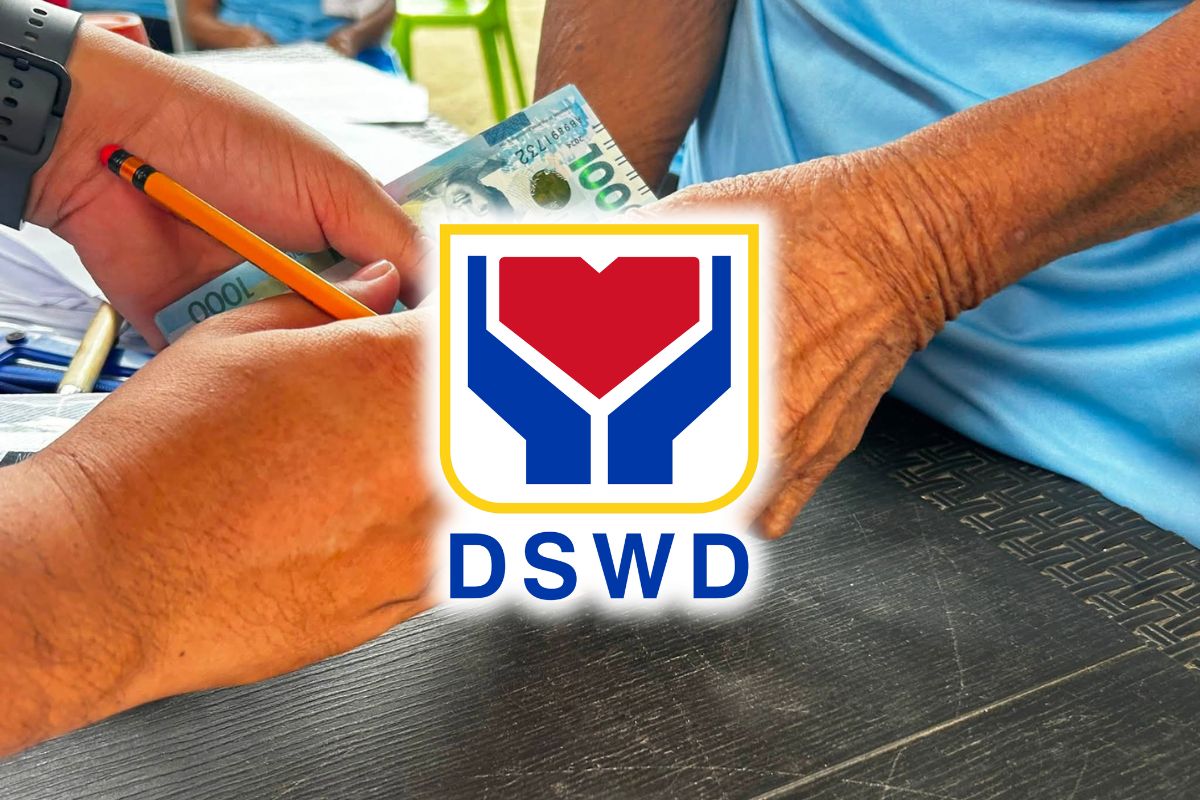
Indigent senior citizens may present any valid government-issued identification card when claiming their Social Pension for Indigent Senior Citizens (SPISC), the Department of Social Welfare and Development said this week. The National ID remains the department’s preferred document but is not required.
The clarification, issued by DSWD spokesperson Asst. Secretary Irene Dumlao, followed a social media post that claimed beneficiaries needed to present a National ID before they could receive their pension. The department said the claim was inaccurate and moved to correct it.
DSWD said the following IDs are accepted for verification:
- Office for Senior Citizens Affairs (OSCA) ID
- PhilHealth ID
- Voter’s ID
- Passport
- Driver’s license
- 4Ps ID
- Persons with Disability (PWD) ID
- Tax Identification Number (TIN) ID
- Postal ID
- Solo Parent ID
- Overseas Workers Welfare Administration (OWWA) ID
- Overseas Filipino Worker (OFW) ID
- Professional Regulation Commission (PRC) ID
- Seaman’s book
- Integrated Bar of the Philippines (IBP) ID
- SSS-UMID and GSIS e-card, for non-pensioners
Other government-issued IDs that show the holder’s full name, photograph, and address may also be used. The department said seniors who have not yet secured a National ID should not lose access to their pension on that basis alone, though it continues to encourage registration as the government moves toward using the National ID as a primary form of identification for public services.
The SPISC provides financial assistance to indigent senior citizens aged 60 and above who are frail, sickly, or living with a disability, have no regular source of income or pension, and lack sufficient support from their families. It is separate from contributory pension systems administered by the Social Security System and the Government Service Insurance System.
Under Republic Act No. 11916, which raised the benefit from the original ₱500 set under RA 9994, qualified beneficiaries receive ₱1,000 a month, paid out as ₱3,000 when released quarterly. DSWD said the aid is meant to help cover beneficiaries’ daily subsistence and medical needs.
The department reminded senior citizens and their families to verify payout schedules, documentary requirements, and other program details only through official DSWD communication channels, and reiterated its earlier warnings against relying on unverified social media posts about government assistance programs.