


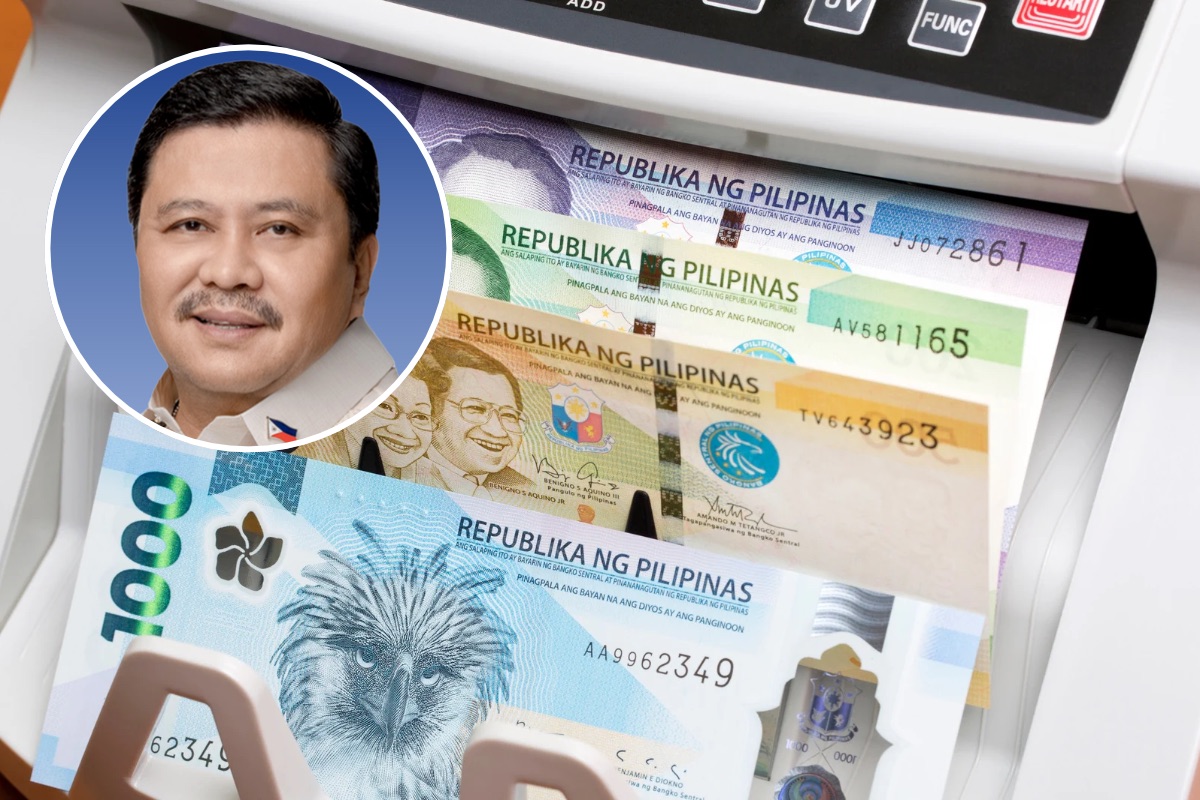
Senator Jinggoy Ejercito Estrada has filed a bill that would require banks and non-bank financial intermediaries to give overseas Filipino workers (OFWs) a 50% discount on remittance fees. Providers could claim the discount as a tax deduction on their operational costs.
Senate Bill No. 1074, the proposed “Overseas Filipino Workers (OFWs) Remittance Protection Act,” was announced in a press release dated January 7, 2026. The release does not indicate any committee action on the measure.
The bill concerns a large flow of money into the Philippine economy. According to figures cited in the release, OFW remittances reached a record $38.34 billion in 2024, up 3% from 2023. That amount equaled 8.3% of gross domestic product and 7.4% of gross national income.
Under the bill, remittance centers would have to clearly post peso-equivalent exchange rates to prevent hidden charges. The measure also prohibits misappropriation of funds, unauthorized deductions, excessive fees, and fee increases made without prior consultation with concerned government agencies.
Violators could face up to six years’ imprisonment and fines of ₱50,000 to ₱750,000, in addition to sanctions under banking laws. Institutions that refuse to accept remittances may also be penalized.
The bill includes a financial literacy component. It directs the Department of Migrant Workers, together with the Overseas Workers Welfare Administration (OWWA), the Bangko Sentral ng Pilipinas (BSP), the Department of Finance and other agencies, to provide free, mandatory programs. Topics would include budgeting, savings, investments, loans, consumer protection, and prevention of scams and online fraud. The programs would be built into Pre-Departure Orientation Seminars, Post-Arrival Training Seminars and online platforms.
Estrada said that the measure would benefit OFWs and their families as well as banks and remittance centers. He described OFWs as breadwinners, parents and pillars of the economy. “Protecting their money is protecting their families’ future,” Estrada said.
The release does not say which Senate committee would handle the bill or when hearings might be scheduled.