



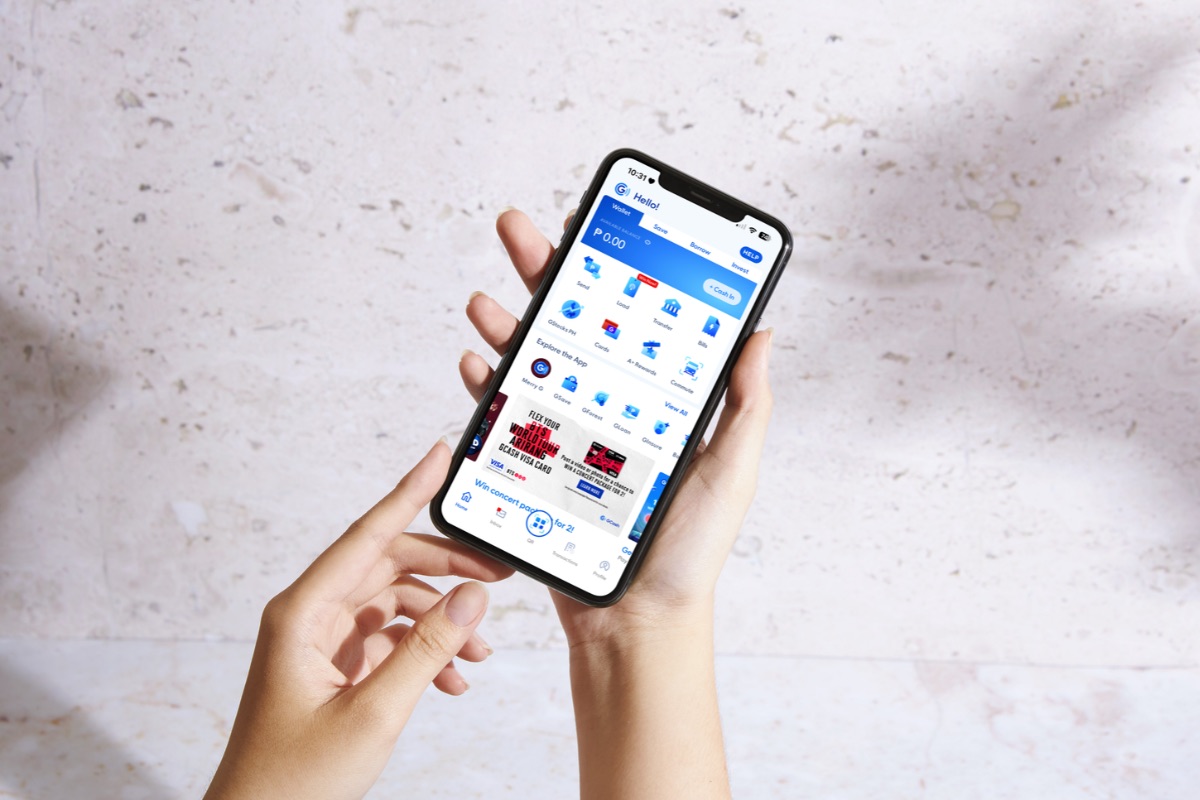
GCash plans to launch No Signal Pay, a feature that would let users pay at NFC-enabled terminals without mobile data or a cellular signal. GCash President and CEO Martha Sazon previewed the technology for investors at the company’s third-quarter earnings briefing on Tuesday, November 10, according to a report by InsiderPH.
Sazon said: “No signal, no data, no problem with No Signal Pay.”
Based on the report, a user unlocks a smartphone and taps it on an NFC-enabled payment terminal. The user doesn’t need to open the GCash app or log in to an account.
The feature uses tokenization technology, which replaces sensitive payment details with a substitute value during a transaction. It is designed to work with weak or no cellular connectivity.
Payments can also be completed while the GCash app is down. The user needs enough funds in the GCash wallet to complete the purchase.
Sazon cited buying food and riding the Metro Rail Transit (MRT) as examples of where the feature could be used.
What it means for Filipino users
GCash’s app store listing says that users can pay in stores by scanning a QR code through the app or by using the GCash Visa card. The same listing says MRT riders can pay by tapping their phone, scanning a QR code or tapping the card.
The card was introduced in 2024. Philippine Star reported in November of that year that it gave users extra payment options when data signal is down, when shops do not use QR codes or when a phone has run out of battery. No Signal Pay would work through the smartphone itself rather than a separate card.
The report said the feature is part of GCash’s effort to reach Filipinos who remain outside the formal banking system, a group it describes as the “next 50 percent.” GCash is prioritizing underserved communities where unreliable telecom infrastructure limits access to digital financial services, according to the report.
Details still to be announced
GCash has not disclosed a commercial launch date for No Signal Pay. The company has not named the areas where the service will first be offered, the devices and payment terminals that will support it, or whether all users will get access at the same time. The report doesn’t mention fees, transaction limits or supported mobile carriers.