



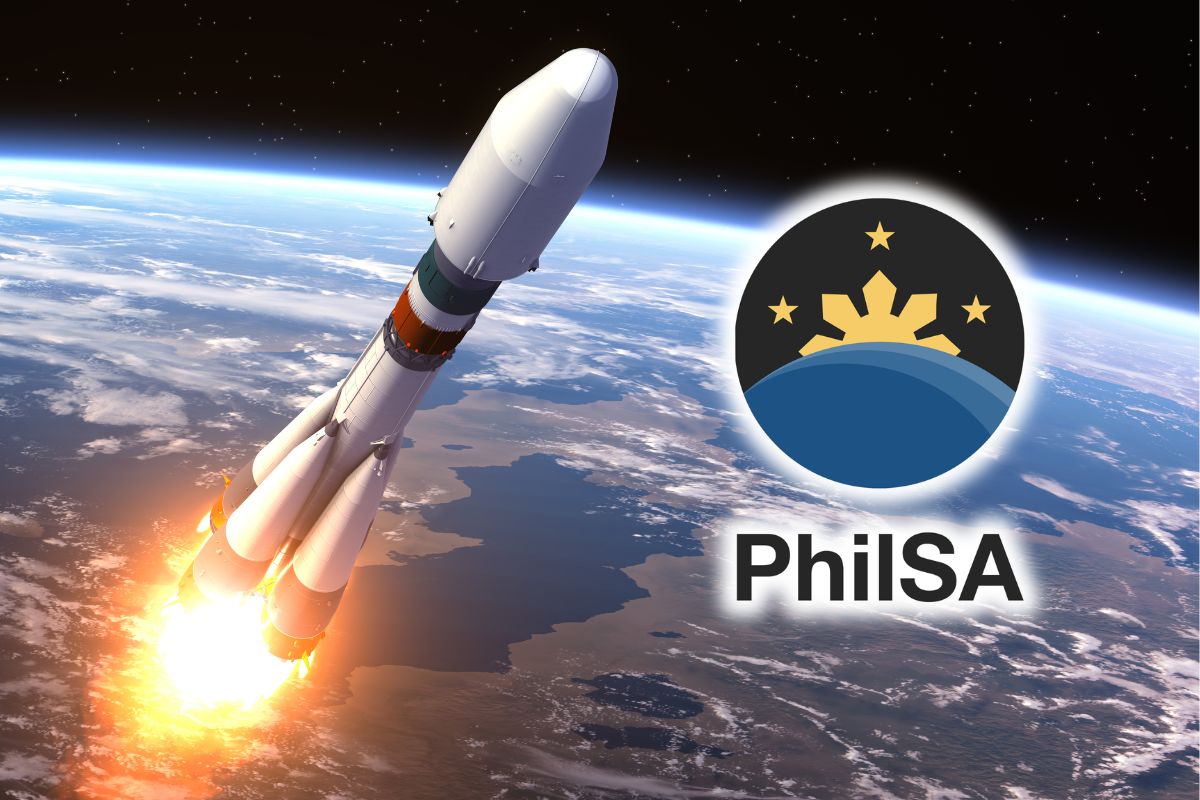
The Philippines is aiming to launch its first sounding rocket on February 14, 2027, government officials have confirmed, setting Valentine’s Day as the target date for a milestone in the country’s young space program.
Officials from the Department of Information and Communications Technology (DICT), the Philippine Space Agency (PhilSA), and the Cagayan Economic Zone Authority (CEZA) announced the timeline at the Kapihan sa Manila Bay forum on August 5, 2026. At the time of the announcement, 193 days remained before the target launch date.
DICT Secretary Henry Aguda said engineers had originally been weighing a launch window between February 12 and 15, before settling on the more memorable date. He said the team’s engineers were considering a range of dates before deciding “Valentine’s Day would be better.”
The launch will take place in Cagayan, part of a broader effort by the Marcos administration to establish the Philippines as a regional player in space technology. President Ferdinand Marcos Jr. first announced the project during his 2026 State of the Nation Address, noting that it will be carried out in partnership with a South Korean aerospace company.
PhilSA Director General Gay Jane Perez cautioned that the February 14 date is a target window rather than a locked-in schedule, since rocket launches depend on weather and technical readiness that can only be confirmed close to the day itself. She described the date as largely symbolic, representing the agency’s commitment to the timeline rather than a guarantee.
The mission itself is a test of a liquid-fueled sounding rocket, not an orbital launch. Sounding rockets do not place satellites into orbit; instead, they carry instruments to high altitudes for brief periods to conduct scientific experiments before returning to Earth.
According to PhilSA, the demonstration flight will carry a locally developed payload weighing up to two kilograms and is expected to reach an altitude of at least five kilometers. Officials said the mission will help validate rocket technologies, launch procedures, and safety protocols, and build up local expertise in rocket engineering.
Cagayan was chosen as the launch site for its proximity to the equator, its geography, existing infrastructure, and the large bodies of water surrounding it, which officials said provide a safer debris field.
The project is part of the government’s SIKLAB program, which also includes plans for a spaceport in the province. CEZA chief Katrina Ponce Enrile said the spaceport could eventually generate around 15,800 direct jobs and contribute up to $3.6 billion in annual economic activity.
If it proceeds as planned, the February 2027 flight would mark the country’s first attempt at launching a rocket of its own, following a series of recent incidents in which debris from Chinese rocket launches was found to have landed in Cagayan waters – a reminder of the province’s position under regional launch corridors even before it hosts one of its own.