


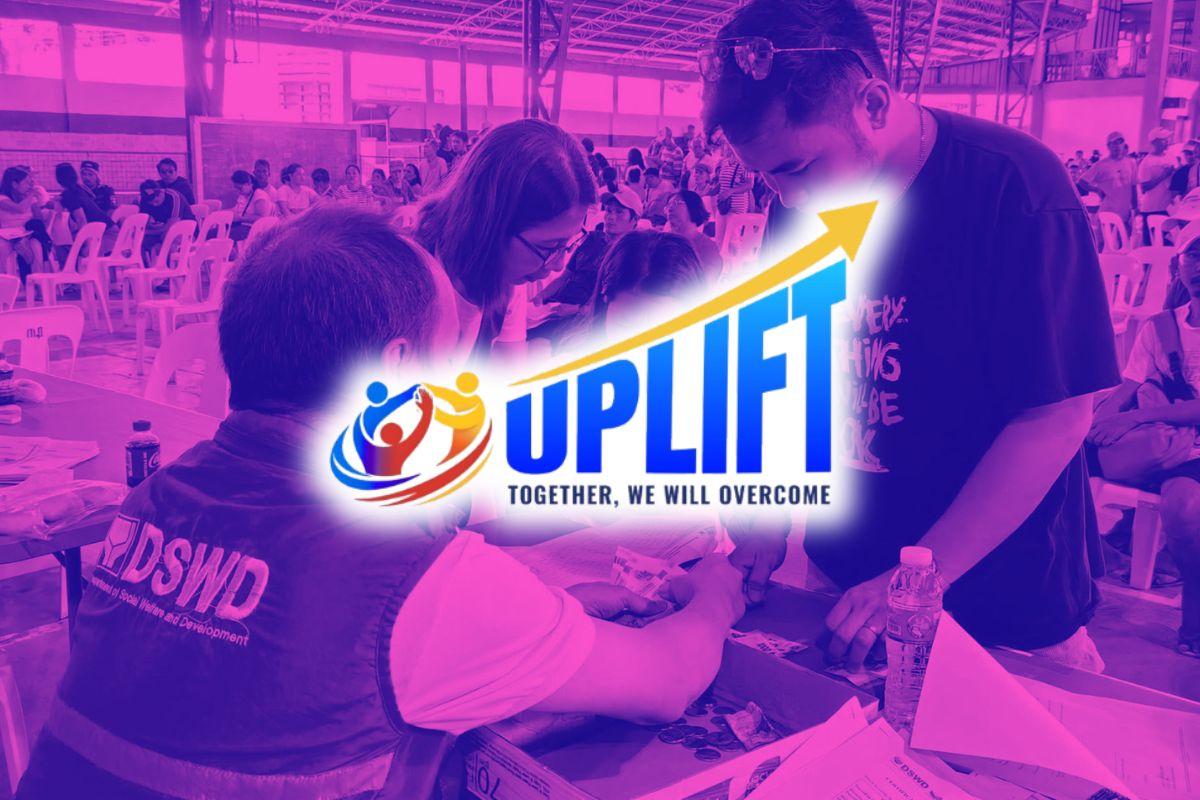
Government agencies helping Filipinos affected by the Middle East crisis must now request funding separately from the Department of Budget and Management (DBM) instead of drawing from a dedicated allocation under the Unified Package for Livelihoods, Industry, Food, and Transport (UPLIFT) program, Malacañang said this week.
Palace Press Officer Claire Castro said requests will be evaluated individually based on each agency’s actual needs. “No additional funding will be allocated for UPLIFT at this time,” Castro told reporters in Filipino during a press briefing on Tuesday.
She added that the amount released will depend on what implementing agencies request and that each request must be backed by complete documentation before funds are disbursed.
The same setup will carry over into next year, since UPLIFT has no stand-alone line item in the proposed 2027 National Expenditure Program. Agencies that need support will instead have to submit their requests to DBM for review, rather than draw automatically from a fund earmarked specifically for UPLIFT.
The announcement comes as local oil companies are expected to raise pump prices this week. The increase is linked to the growing presence of Iran-backed Houthi forces in the Bab el-Mandeb Strait, a key shipping route whose disruption is expected to further tighten global petroleum supply.
A World Bank support facility of $1.75 billion intended to help finance UPLIFT-related initiatives remains pending, according to the report, though no timeline for its release was given.
UPLIFT was created through Executive Order No. 110, signed in March. The program was designed to protect Filipinos working in the Middle East, help maintain an adequate domestic fuel supply, and provide assistance to sectors hit by the regional conflict and its effects on oil prices.
Whether the shift to a request-based funding model will affect how quickly aid reaches affected agencies has not yet been addressed by Malacañang.