


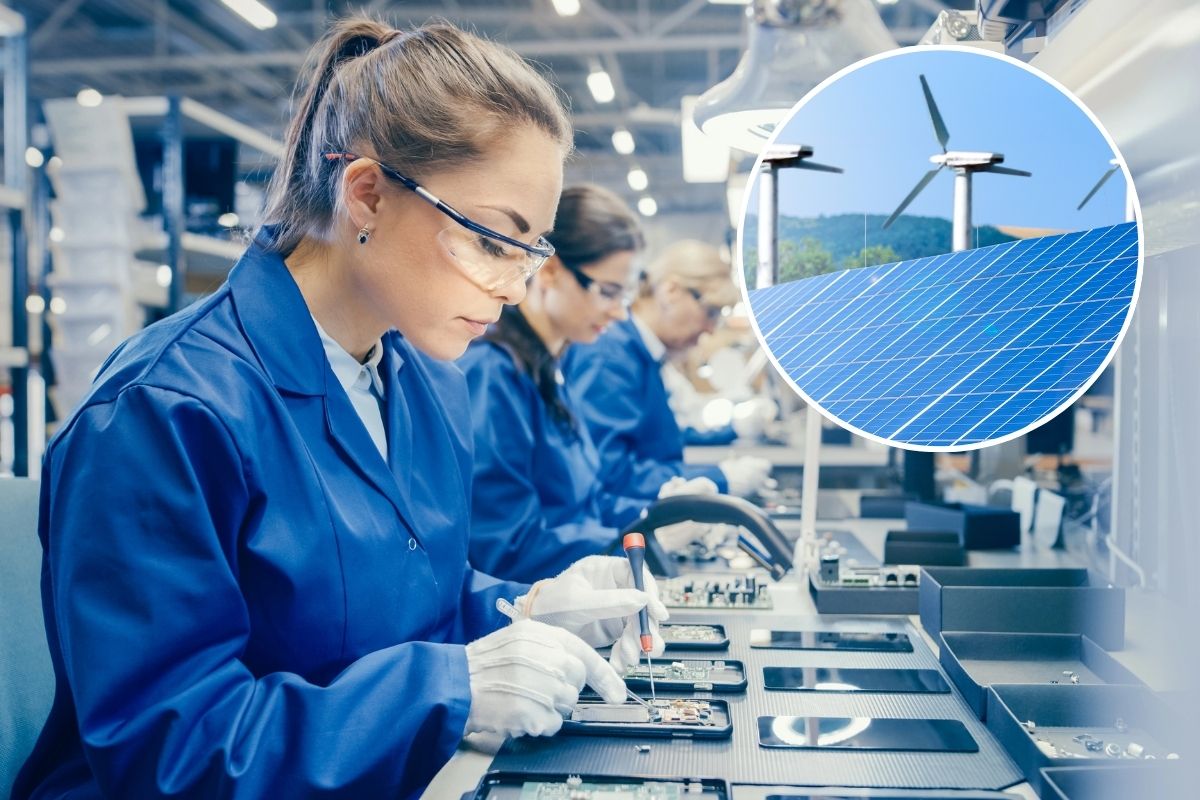
Proponents of the Pax Silica project in New Clark City, Tarlac should secure independent sources of renewable energy and water before the semiconductor and artificial intelligence (AI) hub moves forward, according to agriculture sector leaders who warned that unresolved resource questions could permanently affect Philippine farm output.
Former Agriculture Secretary William D. Dar said the project must run on renewable energy and include rainwater catchment and water recycling facilities to limit its draw on the wider water supply. He said the government must also properly resettle farmers and communities likely to be displaced before construction begins.
“If these measures are not considered, then, to some extent, our agriculture production will be affected and our farmers will suffer permanently,” Dar told BusinessWorld via Viber.
Dar said these commitments need to be locked in to limit the project’s impact on agriculture. “Without these assurances then this initiative must not go forward,” he said.
Jayson H. Cainglet, executive director of the Samahang Industriya ng Agrikultura, called for full agricultural impact assessments before Pax Silica or similar large-scale industrial projects are approved, along with comprehensive mapping of farms, irrigation systems and communities that could be affected. He also pushed for a ban on converting agricultural land for such projects, and for maximum water recycling and reuse, including the collection of rainwater and surface water.
“The Philippines must not repeat the mistake of treating agricultural resources as surplus resources that can simply be allocated to other sectors whenever a more lucrative investment opportunity emerges,” Cainglet told BusinessWorld in a statement.
Cainglet said the project’s main risks to agriculture include the loss of farmland, competition for water, contamination of irrigation water and soil, and added pressure on surrounding farming communities.
“Pax Silica must proceed – but not at the expense of agricultural land, irrigation water, farmers’ livelihoods, environmental quality, and food security,” he said, adding that “food self-sufficiency, rural livelihoods, and long-term agricultural production capacity cannot be sacrificed for industrial projects, no matter how technologically advanced or economically attractive they may be.”
Cainglet said AI, semiconductor and other advanced industrial projects can move forward without compromising agriculture and food security. “The choice is whether we will pursue responsible development, or allow unproven investments to undermine our capacity to feed ourselves tomorrow,” he said.
Dar said Pax Silica would not affect agricultural production if the project is carried out properly, with mitigation measures in place to address its water and energy requirements and the potential displacement of farmers.
During the Department of Agriculture’s budget hearing at the House of Representatives on Sept. 1, Agriculture Secretary Francisco P. Tiu Laurel, Jr. said the department is studying Pax Silica’s potential impact on farmers in Capas, Tarlac, where New Clark City is located.