


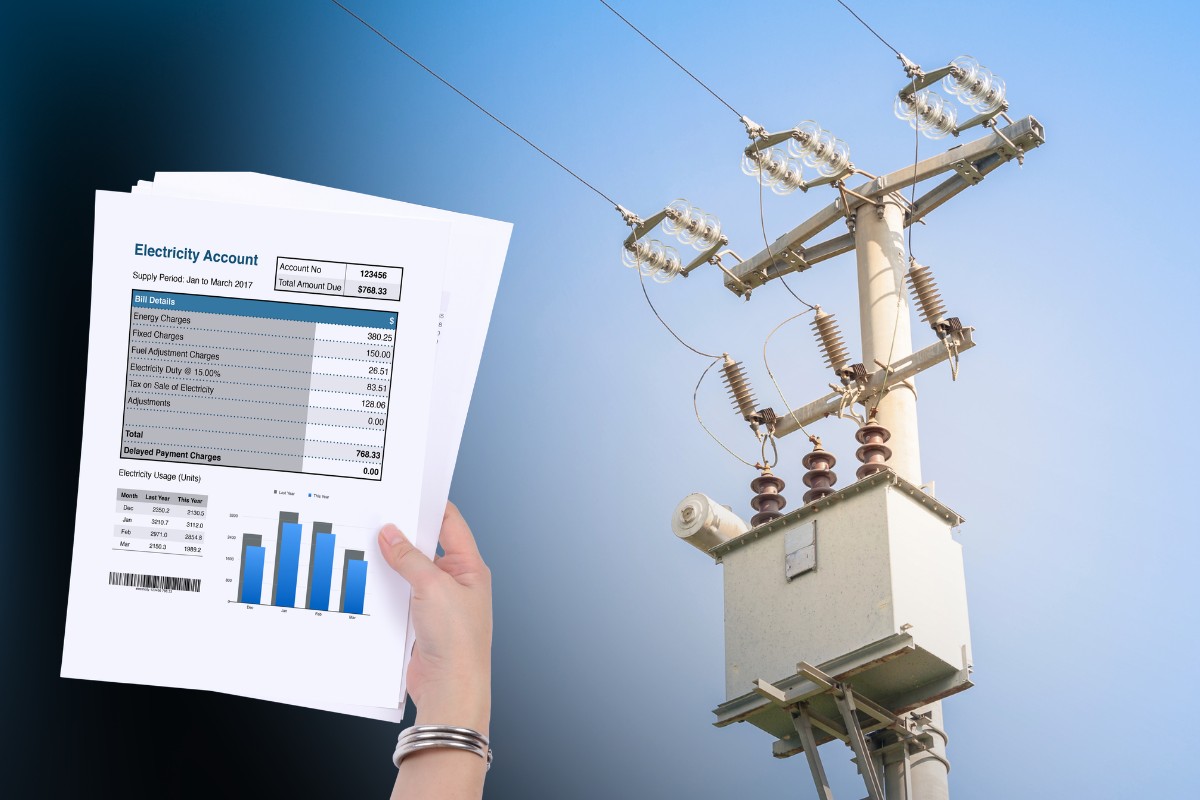
Malacañang said this week it is open to consultations with power distributors and electric cooperatives on removing system loss charges from electricity bills. A Bicol lawmaker separately voiced his support for the same proposal.
Palace Press Officer Claire Castro said the administration welcomes the power sector’s willingness to discuss the charge, which utilities use to recover the cost of electricity lost between generation and delivery. “Although it will certainly require extensive studies and many sectors could be affected, at least we can see that they are open to discussion,” Castro said, calling this a “positive sign.”
Deputy Majority Leader and Talino at Galing ng Pinoy party-list Rep. Jose “Bong” Teves Jr. backed the proposal in an interview with the Inquirer on Thursday. “I am very much in favor of removing the system loss charge. Consumers religiously pay for their electricity consumption, yet they are still being required to shoulder the losses of power providers,” Teves said. He cited Catanduanes, where he said consumers face unstable power supply while still paying the charge.
Teves said he plans to raise the matter with House Speaker Faustino Dy III for inclusion among the chamber’s priority measures, and to pursue amendments to the Electric Power Industry Reform Act (EPIRA).
Under EPIRA, distribution utilities may pass a portion of system losses on to consumers. The Energy Regulatory Commission caps that recoverable loss at 6.5 percent for distribution utilities; losses beyond the cap must be absorbed by the utility rather than billed to customers.
System loss charges account for about 5 percent of a monthly bill for Meralco customers. Some provincial electric cooperatives post losses as high as 16 percent. The Department of Energy has reported that the Philippines had the highest electricity costs in Southeast Asia as of June 2026, with average rates at ₱12.43 per kilowatt-hour.
President Ferdinand R. Marcos Jr. called for the removal of system loss charges, along with the value-added tax attached to them, during his fifth State of the Nation Address on July 27. He directed Congress to amend Section 43(f) of EPIRA, the provision allowing utilities to bill consumers for both technical losses, from aging equipment and transmission lines, and nontechnical losses, from theft and meter tampering.
Manila Electric Co. Chair Manuel V. Pangilinan has said eliminating the charge outright would cost “too big for the industry to absorb.” The Philippine Rural Electric Cooperatives Association has backed removing the VAT on system loss charges, but warned that scrapping the fee entirely without a government subsidy could put electric cooperatives at risk of bankruptcy. Castro said subsidies to offset utilities’ lost revenue are not currently part of the discussion.
Energy Secretary Sharon Garin said the Department of Energy is reviewing ERC regulations and existing laws while consulting stakeholders, and that full removal of the charge could be achieved by 2027. Any changes would take effect only after further talks with the ERC and the National Electrification Administration, which regulates more than 100 electric cooperatives nationwide.