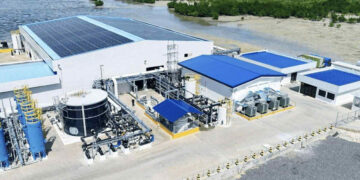



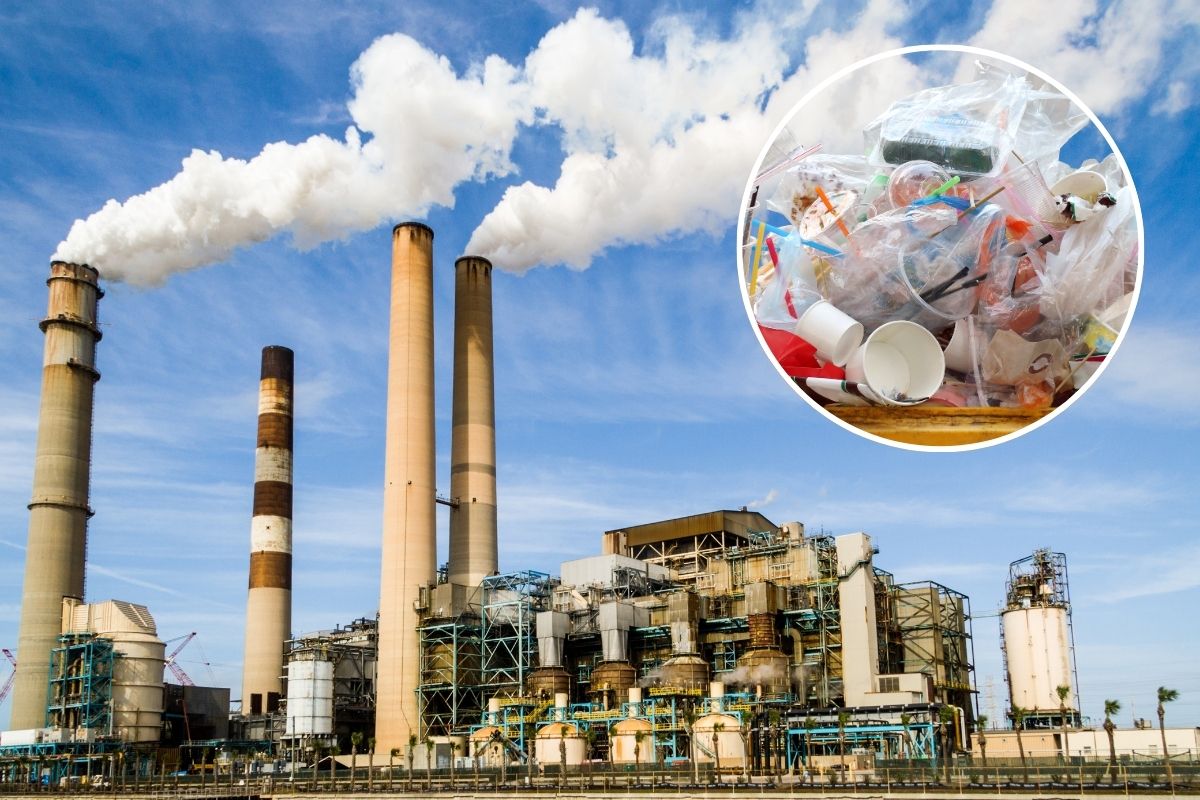
Waste-to-energy (WTE) projects will not be sufficient on their own to resolve the Philippines’ waste management problems, according to energy and environmental analysts.
“WTE can trim the volume of residual waste going to landfills, but that is the limit of its usefulness,” said Noel M. Baga, co-convenor of the think tank Center for Energy Research and Policy. “It manages waste after the fact rather than reducing it at the source, and its contribution to the power supply would be marginal.”
The assessment follows President Ferdinand R. Marcos, Jr.’s announcement earlier this year that the country could see a waste-to-energy system operating by 2027. The government has proposed having local government units deliver collected garbage to WTE facilities instead of landfills, which officials describe as increasingly full and costly to maintain. The President has cited the initiative as part of efforts to address garbage buildup that clogs drainage systems and worsens flooding during heavy rains.
Mr. Baga said the flooding tied to uncollected garbage stems from a “failure of collection, segregation, and enforcement, not of disposal capacity.” He added that “treating it as a flood solution only diverts attention from what actually works: better collection, drainage, and enforcement of the Ecological Solid Waste Management Act.”
He also raised health concerns, noting that incineration-based WTE facilities release dioxins, furans, and other pollutants linked to respiratory and cardiovascular illness among nearby residents. He said such projects should undergo independent health and environmental assessments, genuine consultation with host communities, enforceable emissions standards based on the best available technology, and continuous, publicly accessible monitoring. He added that WTE facilities could undermine existing waste segregation and recycling programs.
Gerry C. Arances, executive director of the Center for Energy, Ecology, and Development, said WTE risks working against the country’s existing waste reduction gains. “Our waste problem could worsen and undo years of progress in waste management, as WTE needs trash as feedstock to generate power,” he said.
He added that flooding “is not simply a result of individual consumption of plastics, but by a failure of infrastructure governance and lack of people-powered, science-based climate mitigation and adaptation measures.” Mr. Arances said the Philippines should prioritize solar power to address its energy supply needs.
The Department of Energy (DoE) estimates that Metro Manila alone generates about 9,000 metric tons of municipal solid waste per day, a stream that could support approximately 200 megawatts of WTE capacity, subject to feedstock availability and other technical requirements.
Energy Secretary Sharon S. Garin described WTE as more of an environmental initiative than an energy one. “I think waste-to-energy can complement – it cannot replace – recycling, because that would be the best thing for us to do. But right now, we are at the level that we need to really dispose of this garbage so that it doesn’t go back,” she said.
Ms. Garin said the department’s upcoming Green Energy Auction for WTE is drawing interest, with six potential bids from Metro Manila alone. “We are seeing significant interest from developers, but our objective is not simply to award capacity. We want projects that are technically sound, environmentally compliant, supported by sustainable feedstock, commercially viable, and capable of delivering electricity to the grid,” she said.
The DoE has not announced a timeline for awarding WTE capacity under the auction.