



The national government will pay the PhilHealth premium contributions of qualified solo parents and persons with disabilities (PWDs), PhilHealth officials said.
PhilHealth Northern Mindanao Public Affairs Unit Head Merlyn Ybañez spoke on the agency’s “Alagang PhilHealth” program. She said that coverage guidelines for both sectors are in place. She added that funding is available for the registration and updating of eligible members’ records.
Ybañez cited a provision of the Expanded Solo Parent Welfare Act. “One of the provisions sa atoang Expanded Solo Parent Welfare Act mao nga ang national government, through PhilHealth, ang magbayad sa mga PhilHealth contribution sa qualified nga solo parent,” she said. The provision means the national government, through PhilHealth, pays the contributions of qualified solo parents.
Solo parents
Under the law, qualified solo parents are entitled to government-funded premium contributions effective October 2026. This applies to both employed and individually paying members.
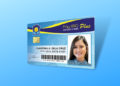
They may also declare qualified dependents up to the fourth civil degree of consanguinity or affinity. The dependents must be listed on the solo parent identification card (SPIC) or on a solo parent certificate issued by the local government unit (LGU).
Solo parents who have not yet received a physical SPIC may use a certificate from the LGU’s Solo Parent Office or Division as primary proof of eligibility. The certificate must show the unique SPIC number, full name, qualified dependents and their birthdates, address, and validity date. It must also carry an official dry seal or QR code for verification.
PhilHealth is revising its Member Registration Form (PMRF) to add a field for solo parents. Until then, applicants may write “solo parent” under the subtype section and provide their ID number.
Persons with disabilities
PhilHealth Information Officer Pamela Jay F. Orias said the national government also covers the premiums of registered PWDs across membership categories. “Ang mga PWD, sagot na sad sa national government ang ilang PhilHealth contribution, basta lang nakarehistro kamo sa PWD registry, kamo man employed or individually paying,” Orias said.
PWDs must be registered in the Department of Health’s Philippine Registry of Persons with Disabilities (PRPWD). PhilHealth uses this registry to verify eligibility. The registry is set to move to the Unified Persons with Disabilities ID System (UPWDIS) under National Council on Disability Affairs Administrative Order No. 001, series of 2026.
How to apply
People who are not yet registered should coordinate with their LGU’s Persons with Disability Affairs Office (PDAO) or solo parent office to complete registration and verification.
Registered members or their authorized representatives may submit a PMRF and supporting documents to PhilHealth local health insurance offices or business centers. Representatives must present a signed authorization letter and valid identification. Employed members may also apply through their employers and PhilHealth Employers Engagement Representatives (PAEERs).
Members who cannot visit an office may apply through the PhilHealth Member Portal by uploading required documents, such as marriage or birth certificates. Online applications typically take five to seven working days to process.
The program also covered the Yaman ng Kalusugan Program (YAKAP), which promotes use of primary care benefits among sectors that include Indigenous Peoples, fisherfolk, students, and industrial workers.
PhilHealth reminded members that under the Universal Health Care Act, individuals are immediately eligible for health benefits even before updating their membership records. It advised the public to process registrations and updates through official channels. The agency said these services are free and do not require fixers.