



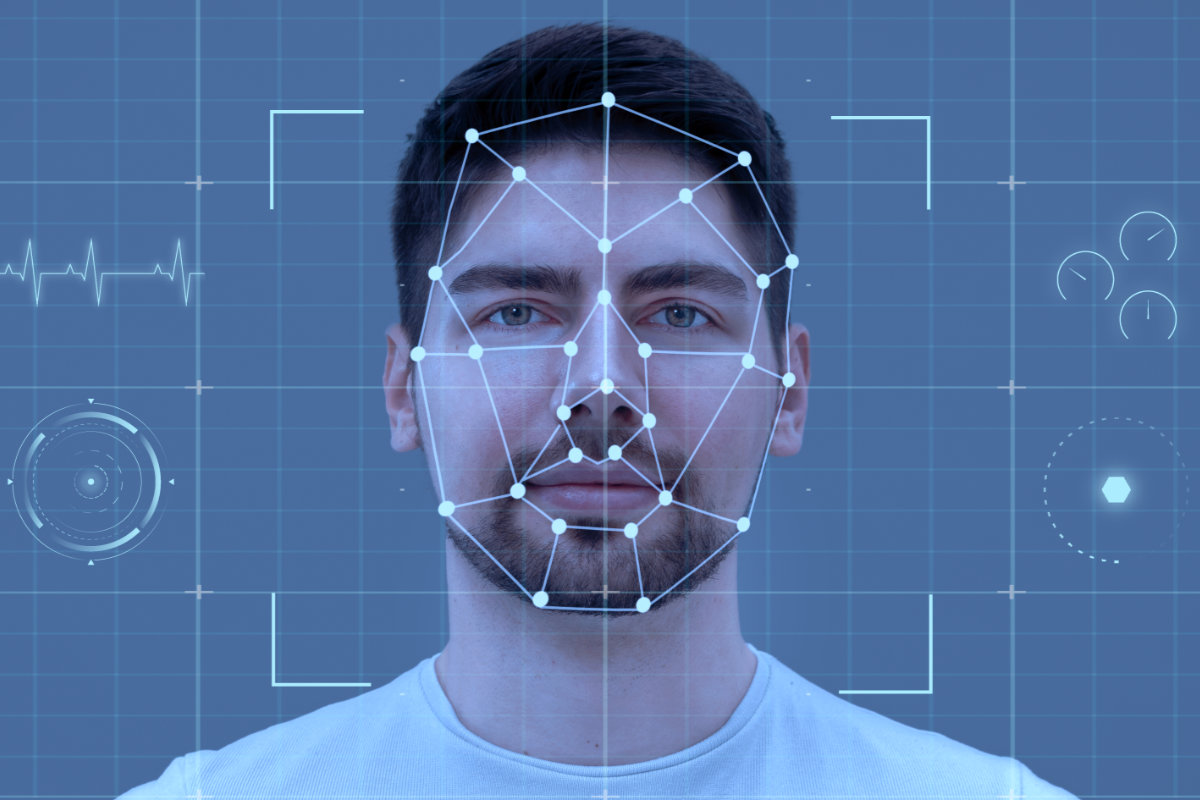
Sen. Mark Villar filed a bill in the Senate on Monday that would penalize the malicious use of deepfakes and require digital platforms to remove reported content within 24 hours.
Senate Bill No. 2620, the proposed “Kontra Malisyosong AI Act,” covers deepfakes and other AI-generated or manipulated media. It addresses the misuse of a person’s face, voice, likeness and other personal attributes to create misleading or harmful content. The bill would apply to digital platforms operating in the Philippines as well as to the people who create or distribute such material.
In the bill’s explanatory note, Villar cited a warning from the Department of Information and Communications Technology (DICT) that cybercriminals use deepfakes for online scams, phishing, ransomware and other illicit activities. The note also named the use of deepfakes to impersonate relatives, public officials and business executives, and to enable harassment, defamation and the unauthorized distribution of sexually explicit content.
The note states that the Data Privacy Act of 2012 and the Cybercrime Prevention Act of 2012 penalize certain violations involving personal information and computer-related crimes. Neither law directly addresses deepfakes or their distinct harmful effects, according to the note.
Proposed rules
The bill requires AI-generated or manipulated content intended for distribution to carry clear disclosures that it was artificially created or altered. It also requires prior written or digital consent before anyone creates, produces or distributes a deepfake of an actual person, if the content is reasonably likely to cause harm, deceive, harass, intimidate, distress or exploit that person.
Digital platforms would have to set up reporting mechanisms. They would also have to remove or disable access to reported violating content within 24 hours of a complaint from the person depicted or impersonated. If the victim is a child, a parent or guardian may file the complaint. Victims could also seek removal of duplicates and reuploads, claim damages and obtain court orders to stop further distribution.
Fines and penalties
- Individuals who fail to comply with disclosure requirements, or who deliberately remove, alter or tamper with mandatory disclosures, face fines of ₱200,000 to ₱300,000.
- Those who maliciously create, produce or distribute deepfakes without the required consent face two to four years in prison, fines of ₱250,000 to ₱500,000, or both.
- If the victim is a child, the penalty rises to eight to 12 years in prison and fines of ₱500,000 to ₱1 million.
- Platforms that miss the 24-hour deadline face a ₱200,000 fine for the first offense and ₱300,000 for each later offense.
Villar said in Filipino: “Habang patuloy na umuunlad ang artificial intelligence, dapat din nating palakasin ang ating mga pananggalang laban sa mga gumagamit nito sa panloloko at pananamantala.” (As artificial intelligence continues to advance, we must also strengthen our safeguards against those who use it to deceive and exploit others.)
Villar said the bill is not meant to hinder technological advancement. He said it aims to make sure AI innovation comes with accountability and respect for individual rights.
“Hindi natin layuning hadlangan ang pag-unlad ng artificial intelligence. Ang nais natin ay matiyak na responsable ang paggamit nito at hindi napipinsala ang ating mga kababayan. Dapat makinabang ang lahat sa makabagong teknolohiya nang hindi isinasakripisyo ang kanilang seguridad, dignidad, at mga karapatan,” he said. (We do not intend to hinder the development of artificial intelligence. What we seek is to ensure that it is used responsibly and does not harm our fellow Filipinos. Everyone should benefit from technological advancements without sacrificing their security, dignity, and rights.)
The bill is a proposal. It must pass the Senate and the House of Representatives and receive the President’s signature before it becomes law.