


All persons with disabilities (PWDs) in the Philippines must register again under the new Unified PWD ID System, including those whose current identification cards are still valid, National Council on Disability Affairs (NCDA) Executive Director Glenda Relova said on Wednesday.
Relova made the announcement at a press conference on November 4. Applicants with non-apparent disabilities will have to submit medical documents for verification. Those with apparent disabilities will not need to present a disability certificate. She said the NCDA will coordinate with medical professionals and partner organizations to verify questionable certificates.
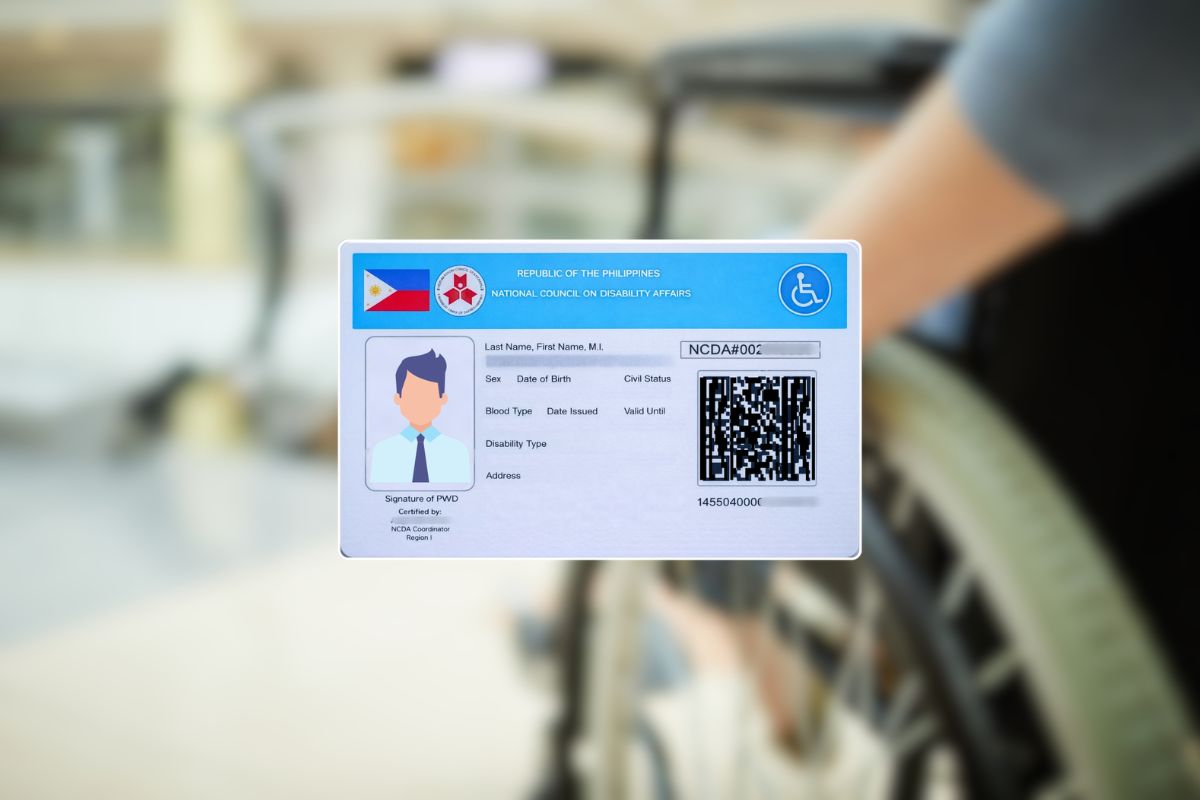
The new ID will carry a QR code and a unique identification number generated through the NCDA system.
“The Unified Persons with Disability ID System is the new centralized and digital system for PWD identification, intended to put an end to the use of fake IDs and ensure that benefits reach only legitimate persons with disabilities,” Relova said.
“We are the only ones who can generate the ID number through our system, so it cannot be faked,” she said.
Relova said fake IDs put legitimate PWDs, particularly those with non-apparent disabilities, under suspicion.
“That’s the most painful of all because there are people who try to bend our system. Authentic persons with disabilities are sacrificed. Their use of IDs becomes questionable,” she said.
Background from the Senate inquiry
The system was developed after a Senate inquiry in December 2024 that examined the spread of fake PWD ID cards. The inquiry cited an estimate of 8.5 million IDs in the country. At the time, the Philippine Registry for Persons with Disabilities had recorded around 1.9 million registered PWDs, leaving an estimated 6 million to 6.5 million IDs potentially fake.
Social Welfare Secretary Rex Gatchalian then directed the NCDA, an agency attached to his department, to address the problem. Relova said the agency began developing the new system in January 2025.
The Senate inquiry also cited an estimated ₱88.2-billion loss in government revenue in 2023 due to the fraudulent use of PWD privileges, including the 20-percent discount and the 12-percent value-added tax (VAT) exemption. Relova said the loss deprived the PWD sector of resources that could have funded essential services.
“I hope the government will use this loss for our social protection services, such as creating more rehabilitation centers. I hope we can provide scholarships so more people can receive occupational therapy and speech therapy, as well as assistive devices,” she said.
Discount proposals
John Darnell Castro, first nominee of the 1-PWD Party-list, said the 20-percent discount covers needs that persons without disabilities do not have.
“The 20-percent discount is given because we have other needs that persons without disabilities do not have,” Castro said.
He also raised concern over proposals to reduce the discount to 5 percent, which he said he has heard from restaurant and business owners.
“That’s the only leeway we have to get therapy and buy maintenance medicines because these are lifelong needs,” Castro said.