



Parenting is basically a masterclass in planning. You’ve got the diaper bag stocked like a survival kit, the snacks perfectly positioned, and a sixth sense for spotting a public bathroom from a mile away. But what about the bigger stuff? The kind of curveball that comes with a health emergency, a typhoon, or an accident during a massive power outage? Don’t worry, we’ve got you. Here are seven simple, brilliant tools that belong in every family home.
1. Clear Health Records and ID Essentials
Health emergencies get easier to manage when you have your child’s medical records ready. Keep a copy of their immunization card, allergies, medications, and doctor’s phone number in a waterproof pouch. Pair this with a recent photo and attach everything to an ID lace that you can secure in your child’s bag or around their neck, if they’re not too heavy.
If you need to hand your child over to medical staff quickly, these records can help speed up care and prevent mistakes. In chaotic environments, clear paperwork can speak for you when you’re too stressed or overwhelmed to recall every detail.
2. A Personalized First Aid Kit
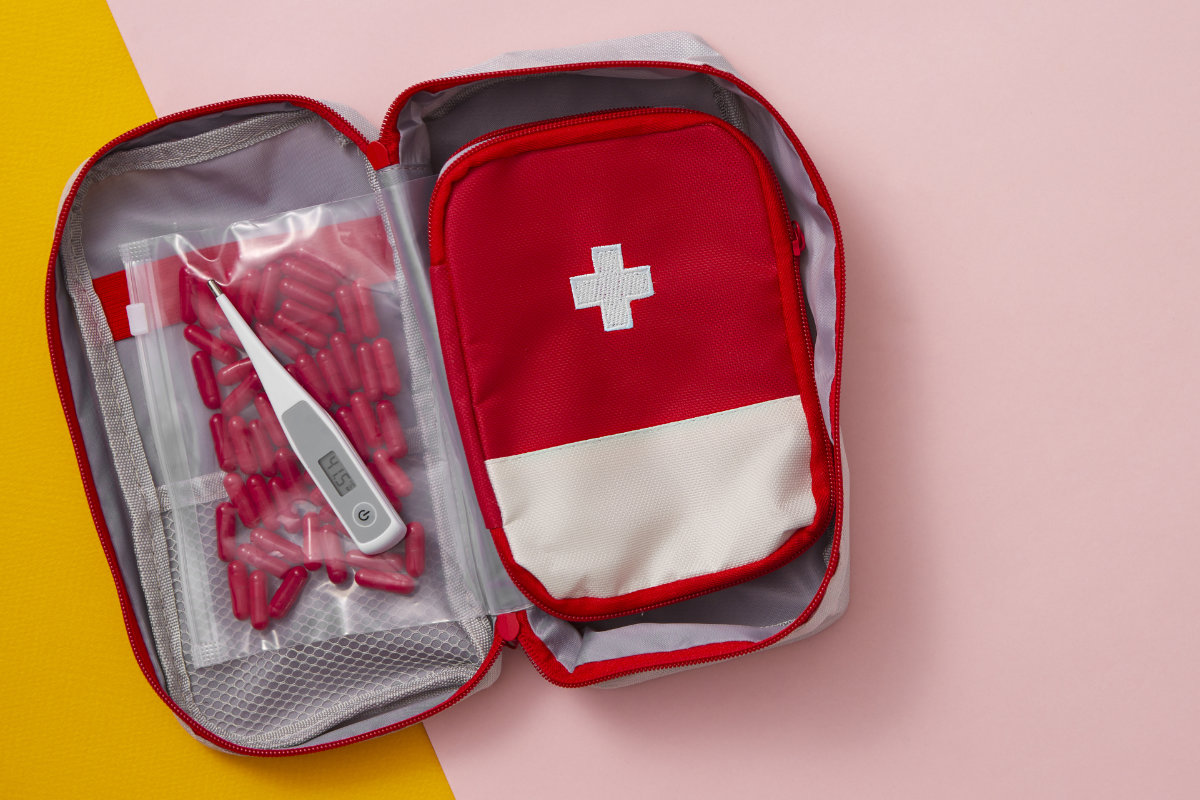
If you’ve got kids, you probably already have a stash of adhesive bandages. Keep in mind, though, that a real first aid kit goes beyond colorful plasters. It should include antiseptic wipes, gauze, micropore tape, tweezers, and child-appropriate pain relievers. Add any prescriptions your family needs and check expiration dates at least twice a year.
More importantly, personalize it. For example, if your child has allergies, add an extra epinephrine injector in there. You can also slip in a tiny comfort item, like a warm blanket or a small toy, because sometimes soothing a child’s fear is as important as stopping a scrape from bleeding.
3. A Multi-Tool
A good multi-tool is like duct tape in that it just works in more situations than you can imagine. With a compact multi-tool, you’ve got a knife for food prep, pliers to fix a broken toy, a can opener if your kitchen is out of commission, and a screwdriver when that wobbly chair finally gives out.
However, the benefits of owning a multi-tool don’t stop at household fixes. In a health emergency, the scissors can trim bandages to size, the tweezers can pull out splinters, and the small knife can cut medical tape when every second counts. Some models even include a magnifying glass, which can help you inspect a wound or look for tiny glass shards in a cut.
For maximum benefits, get a multi-tool that fits your hand comfortably and make sure at least one other adult in the household knows how to use it. Many people buy a multi-tool and never practice with it until it’s time to use it, which can result in panic. To avoid this situation, hand the tool to your older kids or partner on a calm Saturday afternoon and run a “mock emergency drill.” Let them open cans, tighten screws, or practice cutting gauze with it. Over time, familiarity breeds confidence.
4. Digital Thermometer for Quick Decisions
Fever is one of the first signs of trouble, but guessing based on touch alone isn’t enough. A digital thermometer belongs in every family’s emergency kit because it helps you decide whether your child just needs rest or whether it’s time to seek medical help.
Choose a thermometer that gives quick, accurate readings, and keep a spare set of batteries for it. If your child resists traditional under-the-tongue checks, opt for a no-contact forehead model. During a prolonged emergency when clinics may be crowded, having precise numbers at home provides both clarity and peace of mind.
5. A Whistle That Carries Far
It might seem too simple to matter, but whistles can save lives. For example, if your child is ever separated from you in a crowded shelter or trips and falls, they can blow a whistle much louder and longer than they can yell. The universal distress signal is three short blasts, and even a preschooler can manage that.
To make it practical, attach a whistle to your child’s backpack using an ID lace, hang it around their neck, or tuck one into their coat pocket. It’s small, cheap, and one of those tools you’ll hope you never need – but if you ever do, you’ll be thankful you have it.
6. A Reliable Light Source
In an emergency, keep your phone for communication, not illumination. A phone flashlight drains precious battery life quickly, and that battery might be your lifeline for hours or days. It’s a smarter idea to invest in at least two sturdy LED flashlights before you need them: one large lantern-style for group areas like the living room and one headlamp for hands-free tasks. Remember to store extra batteries in an easily accessible place.
Also, consider adding at least one solar-powered light to your kit. Unlike flashlights that rely on spare batteries, solar models recharge during the day and provide steady light at night. Many compact lanterns can even double as USB chargers for phones or radios, which makes them a smart backup when batteries are scarce. Keep one on a windowsill or near your family’s gathering spot so it’s always ready.
Add These Emergency Tools to Your Home
Having these simple yet inexpensive tools and kits can help make your home a safer space. Together, they can create a safety net that will help your family handle stress with calm instead of chaos. Emergencies will always be unpredictable, but with a few thoughtful tools on hand, your response doesn’t have to be.