


For National ID holders, opening a bank account in the Philippines now comes down to a live selfie, as banks link their onboarding systems directly to the government’s identification database.
The Philippine Statistics Authority (PSA), which administers the Philippine Identification System (PhilSys), said its goal is for all financial institutions to eventually adopt National ID-based verification. Asia United Bank (AUB), GoTyme Bank, Philippine National Bank (PNB), and GCash have all connected their services to the National ID Authentication Services (NIDAS), the PSA’s verification platform for third-party institutions.
“This is not only good for BPI. This is really good for the whole banking system,” said Bank of the Philippine Islands (BPI) president and chief executive officer Jose Teodoro “TG” Limcaoco, whose bank is among the latest to adopt the system. “I foresee one day this is the only way it’s going to be.”
Under the model BPI has implemented, a customer enters basic personal information and takes a live selfie, which is matched against the facial image and other details stored in PhilSys, removing the need to photograph or upload a physical ID card. BPI said account openings rose by about 50% after introducing the method, and that roughly 85% of its new accounts now use National ID verification.
The PSA is extending NIDAS beyond banking and payments, positioning it as a shared identity verification layer for healthcare, education, and social protection services. PhilHealth has integrated NIDAS into its Check Utility to verify members through real-time facial recognition, identify duplicate records, and reduce fraudulent benefit claims. Baguio General Hospital and Medical Center became the first government hospital to adopt National ID authentication for patient registration, and Don Mariano Marcos Memorial State University became the first state university to do the same. The PSA said it is also exploring possible applications with the Commission on Elections, since both agencies collect fingerprints from applicants.
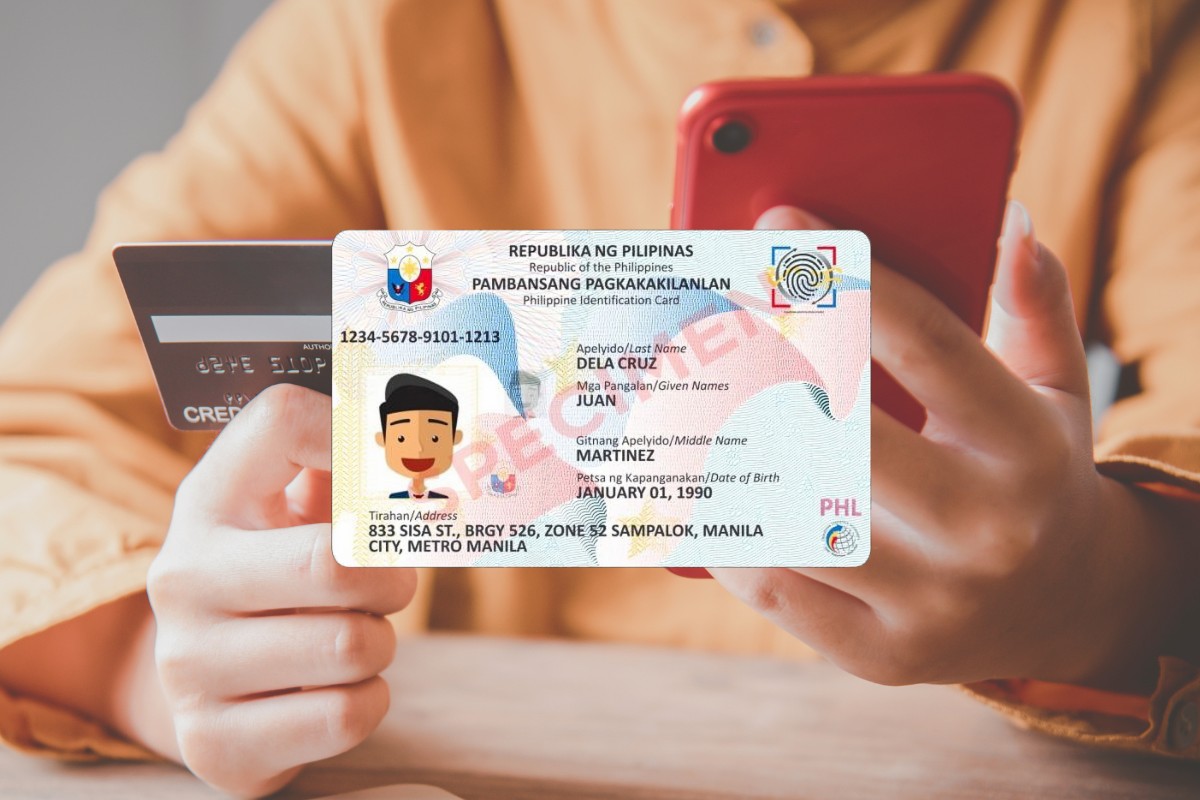
As of June 30, the PSA had issued 92,988,897 Philippine Standard Numbers, of which 91,893,866 could be accessed through the Digital National ID on the eGovPH app. About 55 million physical cards had been issued before card printing was suspended; registered Filipinos may instead use the Digital National ID or request a free paper card, which carries the same functionality.
The PSA recorded more than 124 million successful National ID authentications as of June 30, including over 44 million transactions by financial and other private institutions. By July 28, the cumulative figure across all sectors had reached about 145 million, PSA officials said.