


The National Council on Disability Affairs (NCDA) is asking persons with disabilities to register for the new Unified Digital PWD ID. It’s a single national system meant to stop fake IDs and keep benefits with the people entitled to them.
The agency made the appeal at a press briefing on November 4, 2026, as it rolls out the Unified PWD Identification System (UPWDIS). The plan is to merge PWD records into one secure database, so that holders can claim their benefits without long verification delays.
Where to apply
Registration and ID issuance still go through your local government.
You can visit your city or municipality’s Persons with Disability Affairs Office (PDAO) or its Social Welfare and Development Office (C/MSWDO). Under NCDA Administrative Order No. 001, s. 2026, these offices perform the frontline work of processing, issuing, and distributing the digital ID.
If you can’t visit a registration center, mobile and assisted registration will be available. Residents of Geographically Isolated and Disadvantaged Areas (GIDAs) and people who can’t travel in person are prioritized.
What you need to bring
All applicants must meet the general requirements, and your PDAO can give you the full checklist. The medical paperwork depends on your situation:
- First-time registrants with a non-apparent disability need a Certificate of Disability from a licensed physician or specialist.
- If you already have a valid, unexpired physical PWD ID, you don’t need a new certificate. The original on file will be used, though the PDAO may verify it if something looks off.
- Only new applicants with no existing record in the PRPWD must submit a new certificate for a non-apparent condition, the NCDA clarified.
About the Unified Digital PWD ID
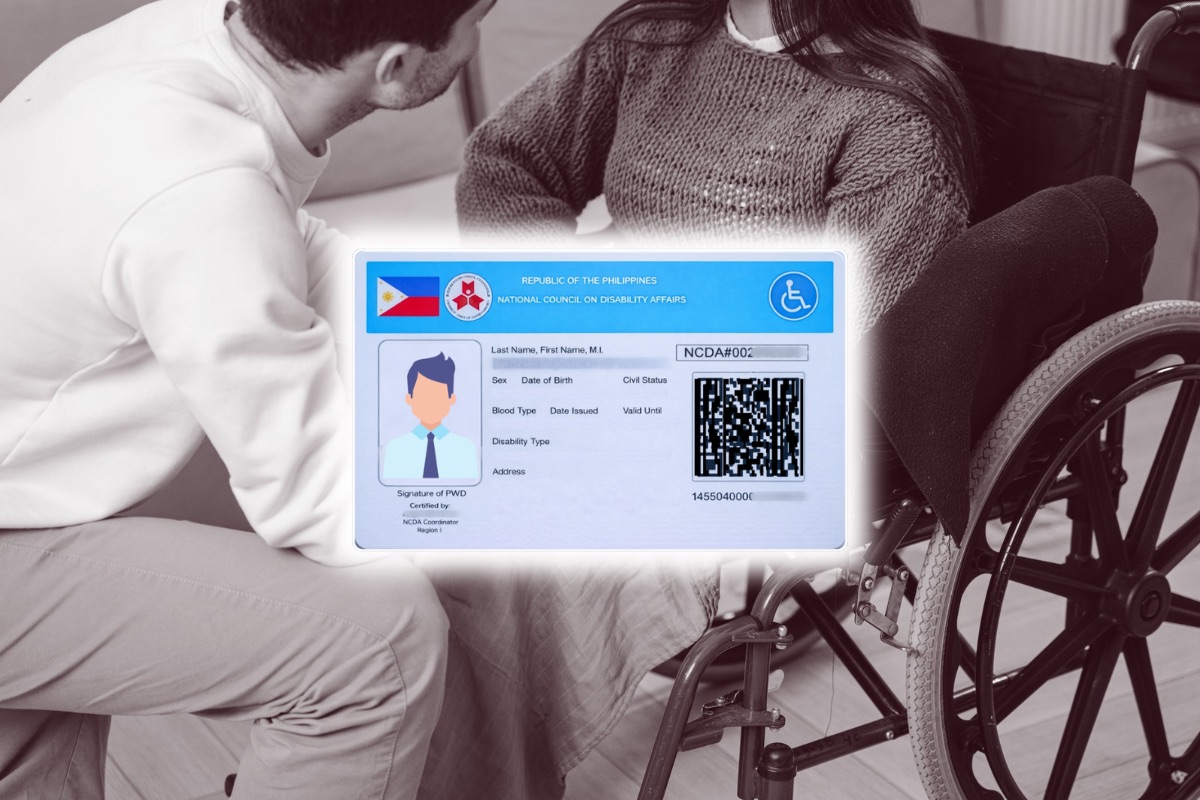
Each Unified Digital PWD ID carries a unique QR code and an alphanumeric number for quick verification. The ID is issued as soon as your registration is approved, and a physical card can be printed on request or when needed.
How long the ID lasts depends on the disability. The ID is good for life for people with permanent disabilities. For non-apparent disabilities, it’s valid for five years and must be revalidated.
The NCDA says that non-apparent disabilities are long-term or permanent, so the five-year review isn’t meant to question anyone’s condition. The agency says that the review keeps records accurate and helps people keep getting the right support. It also lets offices update contact details and connect people to new or expanded assistance.
Built to catch misuse
UPWDIS keeps an audit trail. It logs who encodes, approves, and prints each ID. The NCDA also says existing LGU databases can be incorporated into the system, but only after cleansing, assessment, and data integrity checks.
A registration deadline and any fees haven’t been specified yet. Ask your local PDAO before you go.