


At least 19 governments and the European Union, across North America, Europe and Asia, are urging citizens to keep food and water at home for several days. The calls come as countries strengthen preparations for natural disasters, security threats and disruptions to essential services.
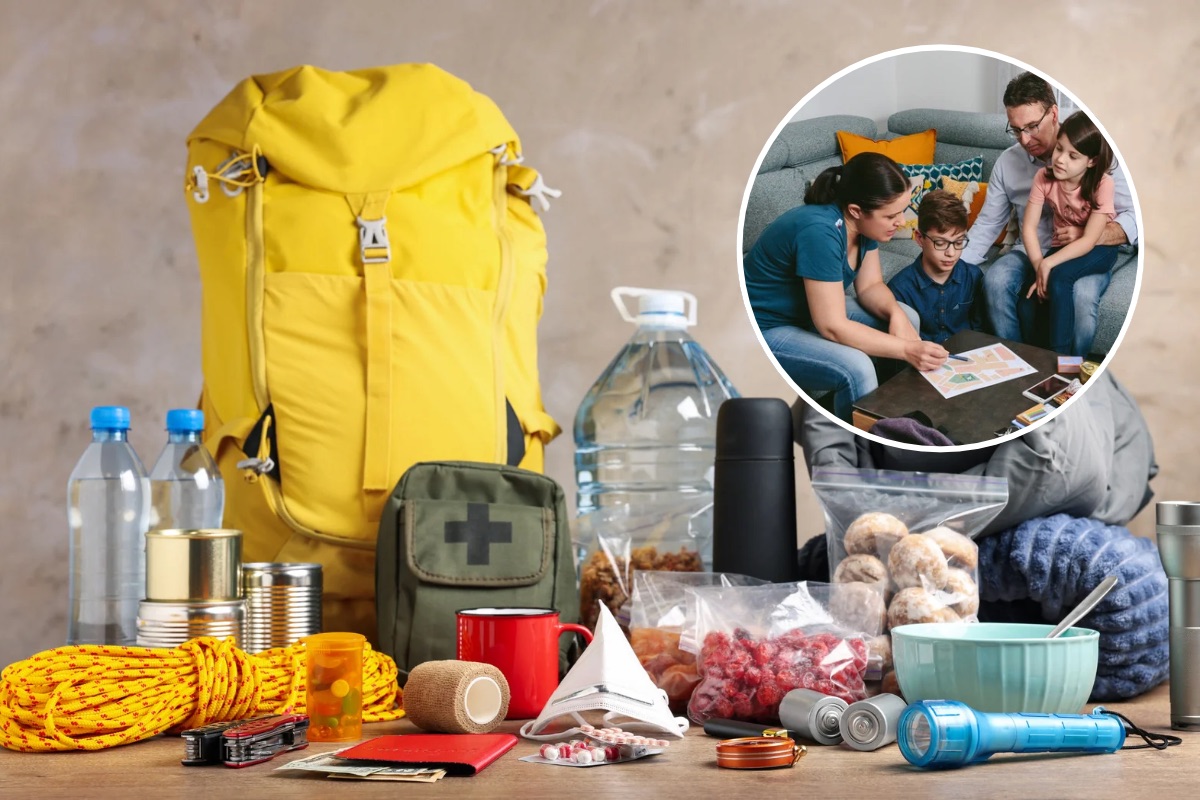
The advice is relevant to Filipino households. The Philippines is regularly exposed to typhoons, earthquakes, flooding and prolonged power interruptions. Preparing emergency supplies, identifying safe evacuation routes and setting up a family communication plan are among the steps that apply locally.
The recommended period varies. Belgium, France, the Netherlands, Finland and Canada advise 72 hours. Sweden, Norway, Estonia, Switzerland and Taiwan advise about a week. Germany advises up to 10 days.
United Kingdom
The UK launched its Be Ready campaign on October 22. The Cabinet Office is asking households to keep a small supply of non-perishable food and bottled water to cover three days of disruption to electricity, water, mobile communications and internet services. The campaign is the first stage of a three-year effort and builds on household guidance published since 2024. It follows severe storms and wildfires that disrupted communities.
The campaign also lists flashlights, first aid items, charged power banks, essential medicines and an FM radio for updates during outages. Its stated aim is to reduce pressure on emergency responders so they can prioritize people most in need.
Defence Secretary Wes Streeting said on the day of the launch: “The threats we face are real, and they are closer to home.” Asked on BBC One’s Question Time whether the campaign amounted to scaremongering, he said the government wants “people to be alert but not alarmed.”
Japan
Japan faces recurring earthquakes, tsunamis, typhoons and volcanic activity. The Cabinet Office advises households to stockpile at least three days of food, and a week if possible, along with three liters of water per person per day. Households are also encouraged to prepare evacuation bags, portable toilets, flashlights and communication equipment.
Goshi Hosono, the minister in charge of disaster management, plans an urgent request to the public on November 2, when a new agency for responding to major earthquakes and other disasters opens. He said on a Fuji TV online program on October 26: “Please prepare at least three days’ worth of food, and ideally a week’s worth, as well as toilets and water.”
Germany
The Federal Office of Civil Protection and Disaster Assistance (BBK) says households should ideally be able to supply themselves for 10 days, with at least three days already a big help. It advises two liters of water per person each day.
The updated guidance covers prolonged power outages, extreme weather, misinformation and security emergencies, including armed conflict. It says preparations should reflect each household’s needs, storage space and finances.
Taiwan
Taiwan’s civil defense handbook addresses natural disasters and possible military emergencies. It recommends at least seven days of essential supplies, including a minimum of three liters of drinking water per person each day.
Households are also advised to keep a separate evacuation bag with necessities for one to three days. Taiwan is exposed to earthquakes, extreme weather and tensions with China.
Sweden, Canada and the United States
Sweden’s government wants everyone, according to ability, to manage at least a week without outside support. Its civil defence authority has said security has deteriorated and there is war in its neighbourhood.
Public Safety Canada’s guidance reads: “Assemble essential items to be self-sufficient for at least 72 hours.”
In the United States, the Federal Emergency Management Agency (FEMA) promotes preparedness through its Ready.gov initiative. Its guidance says: “you may need to survive on your own for several days” after an emergency.
FEMA recommends at least three days of non-perishable food and about one gallon of water per person per day. It also suggests first-aid kits, radios, prescription medicines and important documents, and encourages families to make communication plans that account for children, older adults, people with disabilities and pets.
Separately, the Pentagon announced a program called FORTRESS America on September 30. It is aimed at military bases, not households, and is intended to keep installations running through disruption. War Secretary Pete Hegseth called it “a national insurance policy for the American homeland.”
European Union
The European Commission’s Preparedness Union Strategy, introduced in March 2025, covers threats ranging from natural disasters to hybrid threats. It seeks guidelines “to reach a population self-sufficiency of minimum 72 hours” as a non-binding goal.
No doomsday warning
Online speculation has linked the campaigns to a supposed “doomsday” in November 2026.
No verified evidence shows that these governments are preparing for a specific worldwide catastrophe, or that they have issued a coordinated warning. Each program was introduced at a different time and addresses different risks.