



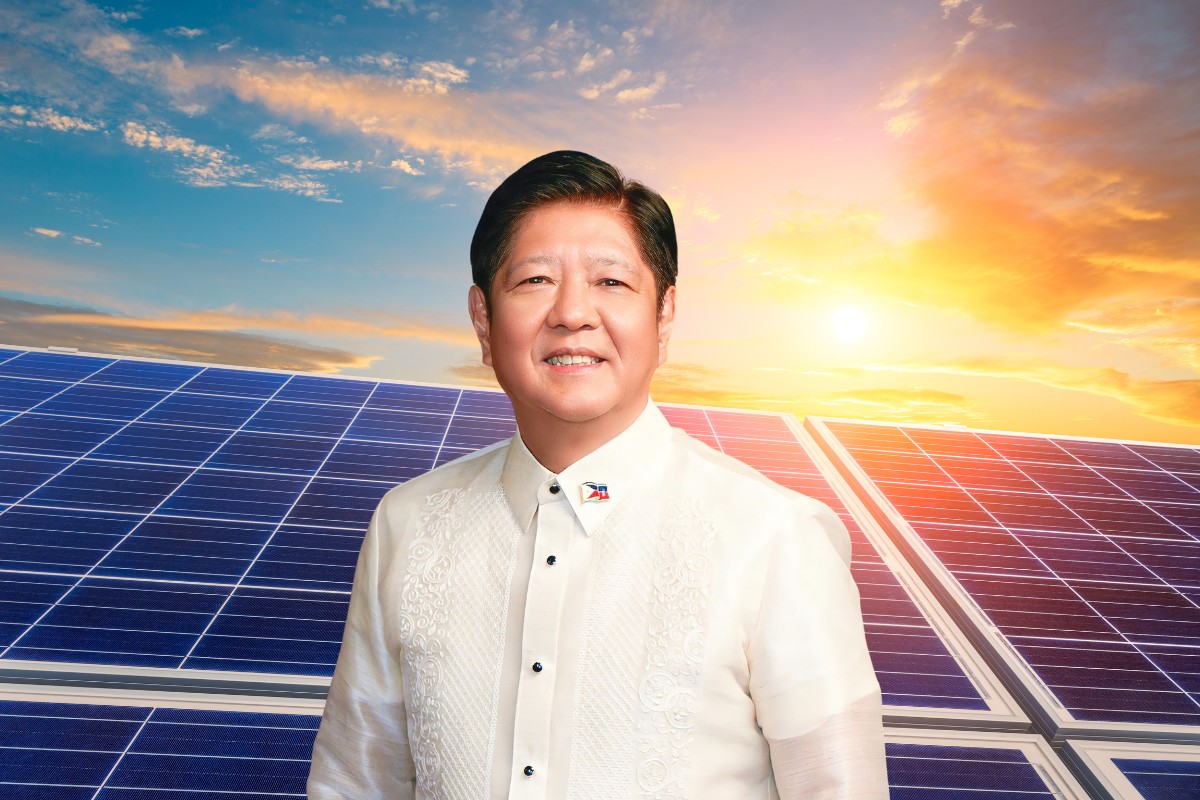
President Ferdinand Marcos Jr. called on Congress to pass the proposed Sariling Kuryente Act during his fifth State of the Nation Address (SONA) on July 27, 2026. The bill would make it simpler and more affordable for Filipino households to install rooftop solar panels and battery storage systems.
The appeal comes as electricity rates in the Philippines remain among the highest in Southeast Asia. Marcos tied the push partly to the war in the Middle East, now in its sixth month, which has driven up fuel prices used in power generation. He paired the solar measure with a separate call to amend the Electric Power Industry Reform Act (EPIRA), or Republic Act 9136, to remove system loss charges and the 12 percent value-added tax from monthly electricity bills.
“Upang maging simple, madali, at abot-kaya ang pagpapakabit ng solar panels at battery storage system sa kanilang mga bahay, hinihiling ko ang tulong ng Kongreso para maipasa ang ‘Sariling Kuryente’ Act,” Marcos said. (“To make the installation of solar panels and battery storage systems in people’s homes simple, easy, and affordable, I ask Congress for help in passing the ‘Sariling Kuryente’ Act.”)
House Speaker Faustino “Bojie” Dy III said the chamber would give the bill priority alongside the EPIRA amendments, saying the House “stands ready to do its part” on lowering electricity costs.
Filipino households already have a legal pathway to generate their own power. Under the Renewable Energy Act of 2008, consumers may install up to 100 kilowatts of renewable energy capacity through the government’s net metering program. The program lets households export excess solar electricity back to the grid in exchange for bill credits, provided they register with their local government unit and notify their distribution utility, such as Meralco. The Sariling Kuryente Act targets the upfront cost and paperwork of installation – the main barriers that have kept adoption low despite the net metering program being in place for more than a decade.
Marcos also revived interest in nuclear power during the address, calling on the country to “revisit nuclear energy production” as a longer-term option separate from the rooftop solar push.
No bill number has been filed for the Sariling Kuryente Act as of this writing.












Another empty promises. Nothing new!