


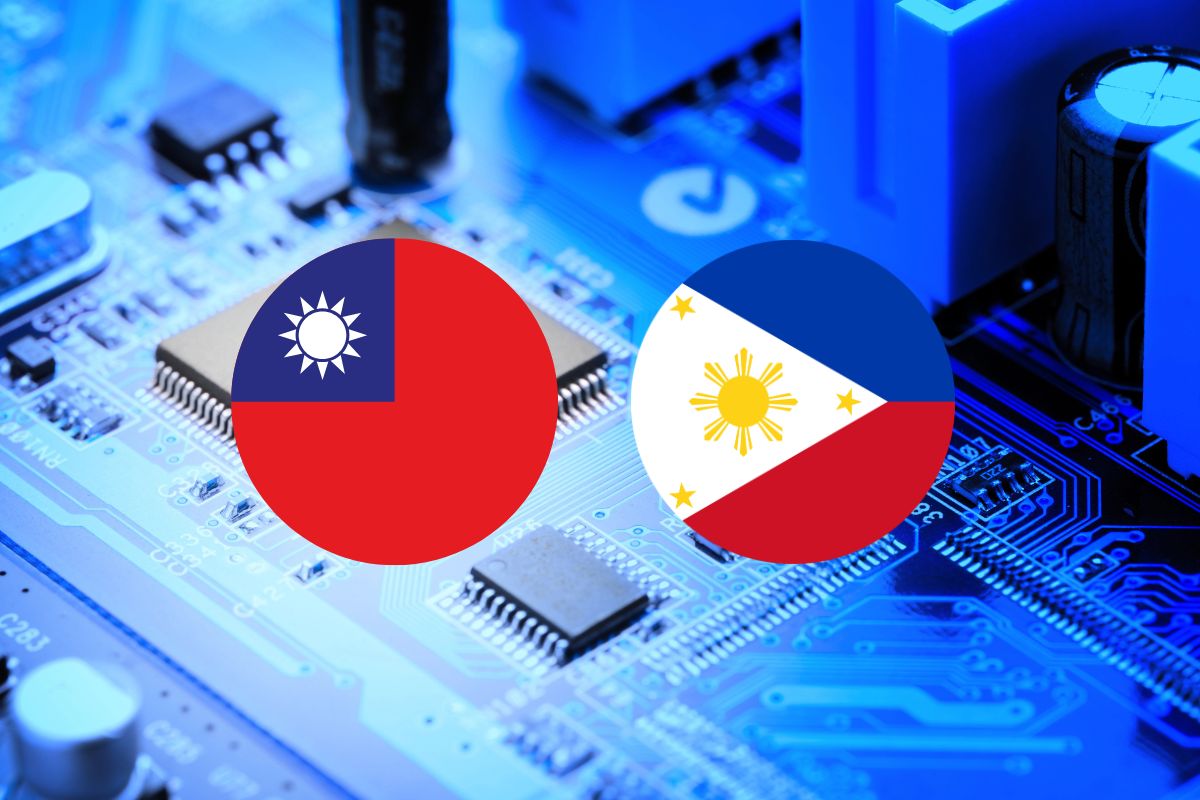
Taiwan is looking to the Philippines’ planned Pax Silica industrial hub in New Clark City, Tarlac, as a potential venue for cooperation in semiconductors and artificial intelligence, Taiwan Foreign Minister Lin Chia-lung said this week, as Taipei seeks a role in emerging trusted supply chains across the Indo-Pacific.
The Philippines formally joined Pax Silica, a United States-led initiative, in April. The government is positioning a roughly 4,000-acre site in New Clark City as a hub for artificial intelligence, semiconductors, and advanced manufacturing, forming part of the broader U.S.-Japan-Philippines Luzon Economic Corridor. Taiwan currently employs about 170,000 Filipino migrant workers, and has set up a government-run recruitment center in Manila to help Taiwanese employers hire directly from the Philippines, according to Lin.
Speaking to visiting Indo-Pacific journalists in Taipei, Lin said Taiwan and the Philippines could pursue an industrial corridor covering semiconductors, artificial intelligence, drones, shipbuilding, and undersea cables. No specific Taiwanese investment or agreement involving Pax Silica has been announced.
Taiwan is not a signatory to Pax Silica but joined the Pax Silica Summit in Washington in June at the invitation of the U.S. State Department, given its position in the global semiconductor and AI supply chain.
“The US proposes Pax Silica to develop the trusted supply chain,” Lin said. “When the United States proposes the economic security zone in New Clark City, I think Taiwan and the Philippines can seek to build an industrial cooperation.”
“Taiwan and the Philippines can seek to build an industrial corridor,” Lin said in a separate statement.
Lin said Taiwan and the Philippines could move from economic integration toward deeper security coordination, and called for closer alignment among Taiwan, the United States, Japan, and the Philippines in defining their roles amid regional security concerns. “We must think strategically about how investment, technology, talent exchanges and industrial ties can help us become more trusted and indispensable to one another,” he said.
The Pax Silica project has drawn scrutiny in the Philippines over its terms and potential impact on affected communities and natural resources. Church, environmental, and scientific groups have sought greater transparency on land use, energy and water requirements, and safeguards for residents near the site. The Marcos administration and the Bases Conversion and Development Authority (BCDA) have said Philippine laws will apply and that environmental and community protections will be observed.
Any expanded Philippine-Taiwan cooperation would take place within Manila’s One China policy. President Ferdinand Marcos Jr. has said the Philippines will continue observing the policy even as it expands economic engagement with Taiwan. China regards Taiwan as a breakaway province.
No timeline for follow-up talks between Manila and Taipei on the proposed cooperation has been announced.