


A bill filed in the House of Representatives would allow Filipino households to exchange recyclable waste for food, groceries and cash under a nationwide program.
House Bill 11146, or the proposed Basura to Ayuda Act, was filed by Quezon City Rep. Patrick Michael Vargas. The measure covers individuals, households, homeowners associations and civic organizations that collect non-hazardous recyclable materials. Participants would receive points redeemable for food, groceries and cash.
Eligible materials include plastic bags and bottles, wrappers, sachets and metals. Collected items would be redirected to recycling and other productive uses.
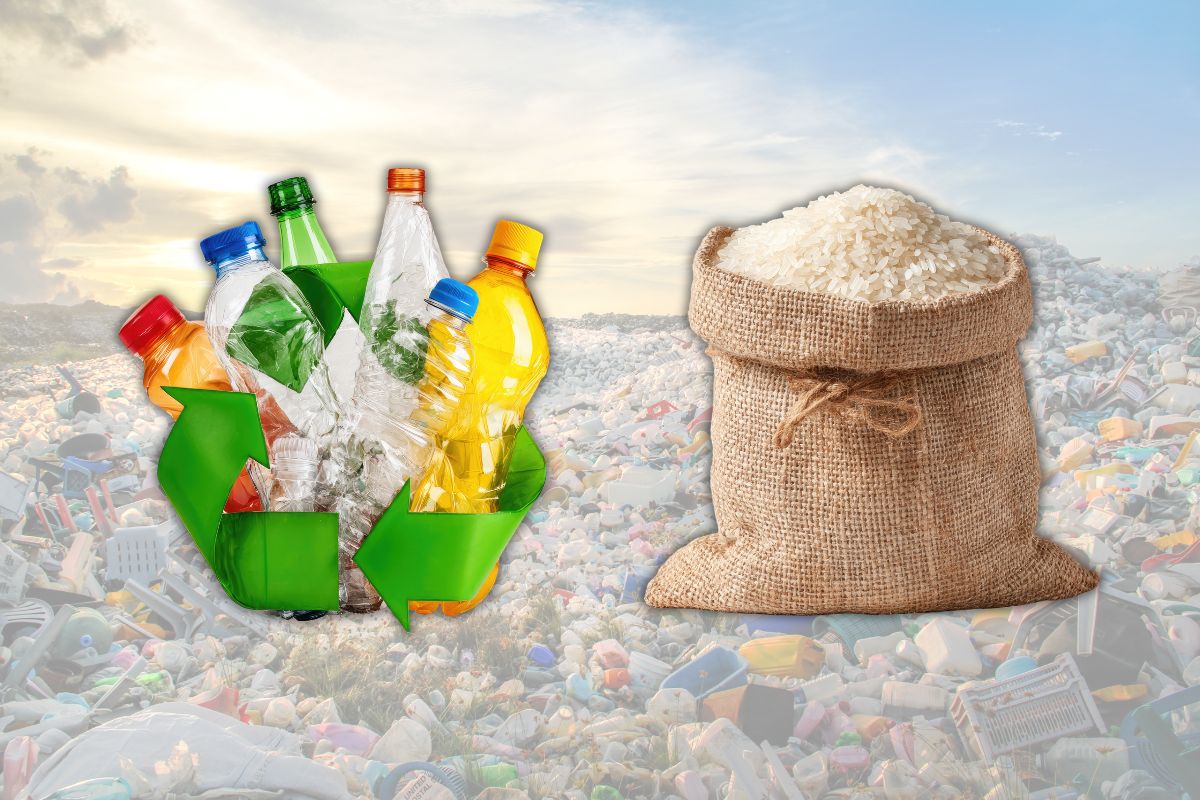
The bill sets minimum exchange values for recyclables. Each kilogram of recyclable plastic would be exchangeable for one kilogram of commercial-quality rice or its cash equivalent. Each kilogram of metal waste would be exchangeable for two kilograms of rice or the corresponding cash value.
The Department of Environment and Natural Resources (DENR), the Department of Agriculture and the Department of Trade and Industry would coordinate implementation across the country. Their tasks include setting up standardized trade-in centers and keeping exchange rates consistent from one community to another.
The bill also provides incentives for individuals who report hazardous waste and assist authorities in recovering it safely.
The proposal is modeled on Quezon City’s Trash to Cashback program, which uses a point system to encourage waste segregation and recycling. Participants in the city program redeem points for household essentials such as rice and eggs.
The Philippines generates about 61,000 metric tons of solid waste daily. Poorly managed waste can clog waterways, worsen flooding and add to greenhouse gas emissions.
Similar measures with the same rice-based exchange rates have been filed in earlier Congresses, including House Bill 9170 in 2019. The current bill was filed in the Second Regular Session of the 20th Congress.
House Bill 11146 must go through committee review and approval by the House and Senate before it can become law.