


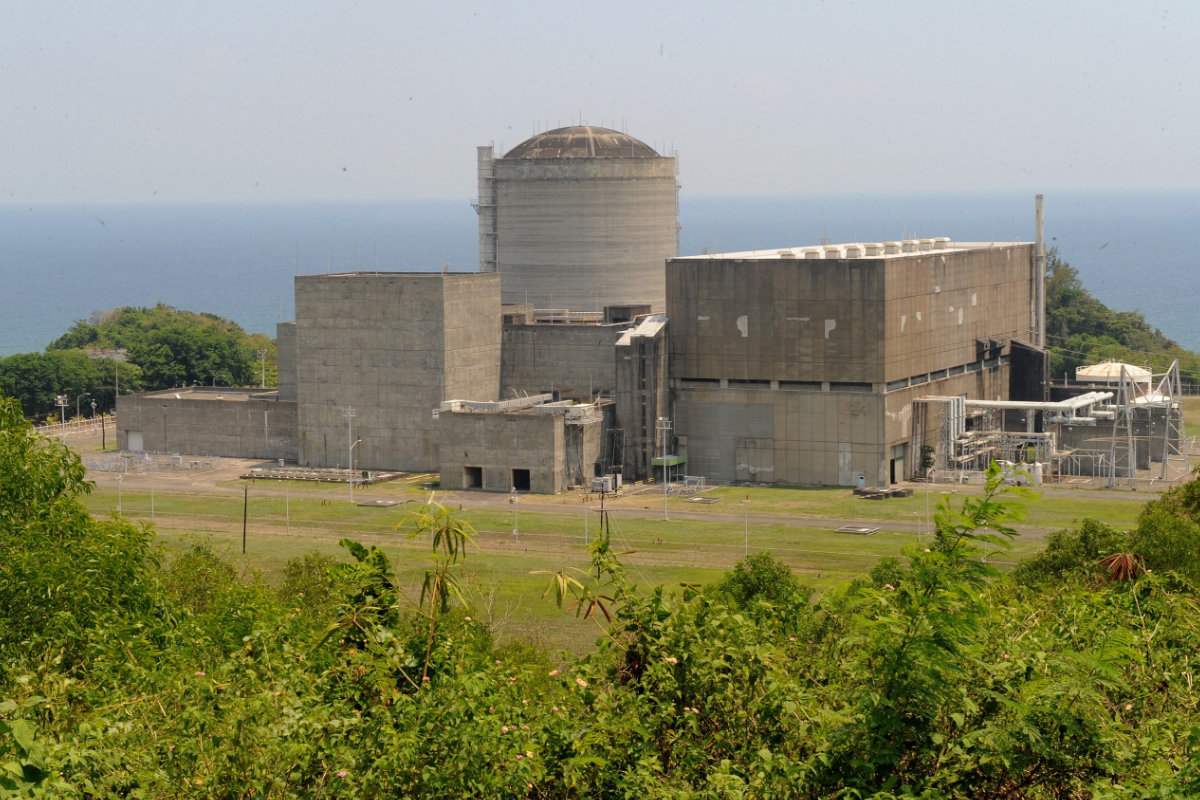
The Philippine government is considering the sale of the Bataan Nuclear Power Plant (BNPP) in Morong, Bataan, after the Department of Energy (DOE) reported encouraging results from efforts to revive the mothballed facility.
Under the options being weighed, the government could sell the asset or take part in the project by contributing the property as its share. The options were outlined on Tuesday, October 20, on the sidelines of the World Nuclear Supply Chain forum in Taguig City.
The 620-megawatt BNPP was completed during the first Marcos administration but never reached commercial operation, as it was beset by concerns over corruption and safety. The current administration is targeting the activation of the first kilowatts of nuclear energy by 2032 and has sought the expertise of South Korea to assess the possibility of rehabilitating the plant.
The feasibility study was carried out by Korea Hydro & Nuclear Power Co. Ltd. and returned positive results. No specific details or figures have been made public. The study laid out several options, including refurbishing the existing facilities and the investment needed to build a new plant. It also covered whether the country should lean toward larger conventional reactors or small modular reactors.
South Korea paid for the study. The Philippines has made no commitment to follow its recommendations or to build what it proposes, and the rights over the results rest with the Korean side. The technical and safety viability of the Bataan site is still being assessed.
The DOE has identified possible sites for nuclear energy in Bataan, Pangasinan and Palawan. The BNPP remains one of the best sites available to the country because its infrastructure, including transmission lines, is already in place.
Public acceptance is an area the government seeks to improve. In June, the local government of Morong approved a Non-Nuclear Zone Ordinance that prohibits the construction, operation and storage of nuclear power facilities and radioactive materials within the town. A survey showed that public approval of nuclear energy rose from 79 percent in 2019 to 82 percent in 2024.